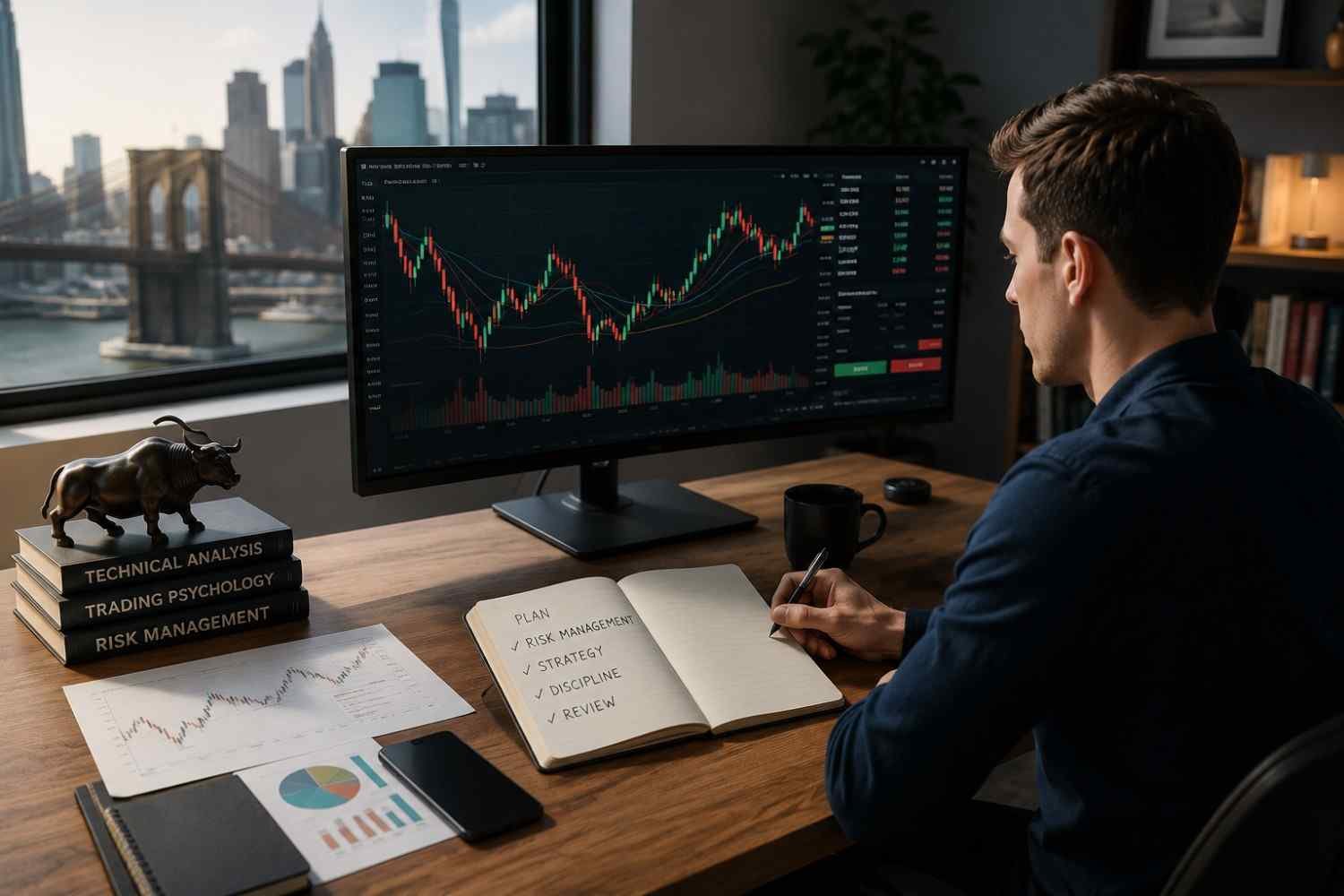
When I first started learning about Forex trading, I thought success came down to finding the perfect strategy. Every video promised a winning formula, every social media post showed impressive profits, and it all looked much easier than it actually was. The more I learned, the more I realized that profitable traders weren’t winning because they had secret indicators. They were winning because they had discipline, patience, and a process they trusted.
That lesson changed the way I looked at the market. Forex isn’t a shortcut to quick money, and it isn’t a game of luck. It’s a skill that develops over time through education, practice, and consistency. If you’re serious about becoming a successful trader, the goal shouldn’t be making a fortune overnight. It should be learning how to protect your capital while making smart decisions trade after trade.
Why Most New Forex Traders Struggle?

One of the biggest misconceptions about the Forex market is that anyone can start making money within days. In reality, many beginners lose money because they enter trades before understanding how the market works. They rely on tips from strangers, copy random strategies, or trade based on emotions instead of analysis.
Successful traders approach the market differently. They understand that every trade carries risk and that losses are part of the learning process. Instead of chasing every opportunity, they focus on making decisions that fit their trading plan.
Learn the Market Before You Risk Real Money
Understanding the basics should always come first. Before opening a live account, take time to learn how currency pairs move, what pips represent, how leverage works, and why economic events affect exchange rates.
You’ll also need to understand trading sessions, liquidity, spreads, and market volatility. These concepts may seem overwhelming at first, but they create the foundation for every decision you’ll make later.
Skipping this step often leads to expensive mistakes that could have been avoided with a little patience.
Practice With a Demo Account First

A demo account gives you the opportunity to experience real market conditions without risking your own money.
Use this time to test different trading strategies, practice placing orders, and become comfortable with your trading platform. More importantly, treat your demo account like it’s funded with your own savings. Taking unrealistic risks during practice defeats the purpose of learning.
Moving to a live account should only happen after you’ve shown consistent results over a reasonable period, not after a few lucky trades.
Build a Trading Plan You Can Actually Follow
Many traders fail because they make decisions in the moment instead of following a written plan.
Your trading plan should answer simple questions before every trade.
- Why am I entering this trade?
- Where will I take profit?
- Where will I exit if the trade goes against me?
- How much of my account am I risking?
When these decisions are made before entering the market, emotions have much less influence.
A trading plan also helps you evaluate your performance objectively instead of relying on memory.
Risk Management Should Always Come Before Profit

Professional traders often say their first job is protecting their capital, not making money.
One common guideline is to risk no more than 1% to 2% of your account balance on a single trade. While this may seem conservative, it helps you survive losing streaks without damaging your account beyond recovery.
Position sizing, stop-loss orders, and realistic risk-to-reward ratios all work together to keep losses manageable. Even experienced traders accept losses because they know one trade doesn’t determine long-term success.
Learn to Control Your Emotions
Fear and greed have ended more trading careers than poor strategies.
After a losing trade, it’s tempting to jump back into the market hoping to recover quickly. This behavior, often called revenge trading, usually creates even bigger losses.
Winning trades can be just as dangerous. Overconfidence encourages traders to ignore their rules and take unnecessary risks.
Emotional discipline comes from trusting your trading plan instead of reacting to every market movement.
Keep a Trading Journal

A trading journal is one of the simplest tools for continuous improvement, yet many beginners ignore it.
Record every trade along with the reason you entered, your risk level, the outcome, and how you felt while making decisions.
Over time, patterns begin to appear. You may discover that certain setups consistently perform better or that emotional decisions often lead to losses.
Reviewing your own history is often more valuable than searching for another strategy online.
Mistakes That Hold Traders Back
Most trading mistakes aren’t caused by complicated market conditions. They’re usually the result of avoidable habits.
Some of the most common include:
- Using excessive leverage without understanding the risk.
- Ignoring stop-loss orders because you hope the market will reverse.
- Risking too much money on a single trade.
- Constantly changing strategies after a few losing trades.
- Following unverified trading advice from social media instead of developing your own process.
Avoiding these mistakes won’t guarantee success, but it gives you a much stronger foundation for long-term consistency.
Success Comes From Consistency, Not Excitement

The traders who stay in the market for years usually aren’t the ones making the biggest headlines. They’re the ones who follow their plans, manage risk carefully, and accept that steady progress matters more than quick wins.
Forex rewards preparation far more often than prediction. The more consistent your habits become, the more confident your decisions will be, regardless of what the market does tomorrow.
FAQs: Guiding Steps to Become a Successful Forex Trader Without Falling for Common Mistakes
1. Can beginners become successful Forex traders?
Yes, but success usually comes from learning the market, practicing on a demo account, and developing discipline before trading with real money.
2. How much money should I risk on one trade?
Many experienced traders limit risk to 1% or 2% of their account balance to protect their capital during losing streaks.
3. Is a demo account really necessary?
A demo account helps you understand market conditions, test strategies, and build confidence without risking your own funds.
4. What is the biggest mistake new Forex traders make?
The most common mistake is letting emotions replace a trading plan. Overtrading, chasing losses, and ignoring risk management often lead to unnecessary losses.
The Habits That Separate Traders From Gamblers
The biggest difference between successful Forex traders and those who quit isn’t intelligence or luck. It’s their willingness to learn, stay patient, and repeat the same disciplined habits every single day. Markets will always change, but the value of preparation, risk management, and emotional control remains constant.
The goal isn’t to win every trade. It’s to build habits that help you stay in the market long enough for experience to become your greatest advantage.