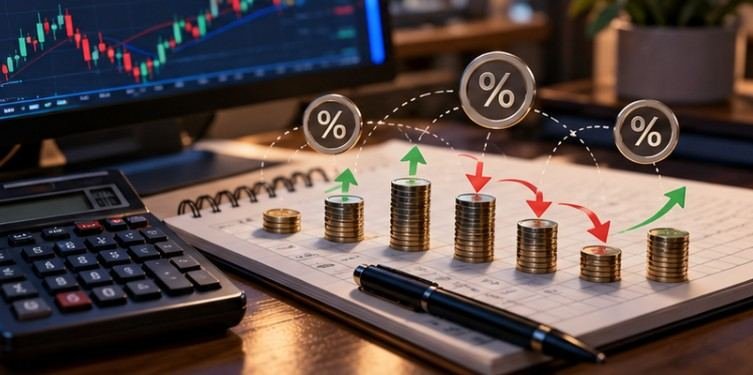
I find that the psychology of switching from paper trading to real money becomes clearer when we look beyond profits. A simulated loss changes an account balance. A real loss can feel like losing money intended for groceries, rent, or a family vacation.
That difference helps explain why a confident paper trader might hesitate before entering a live position, exit a winner early, or ignore a planned stop.
The transition requires more than knowing how to place orders. It means recognizing emotional pressure, checking whether simulated results were realistic, and building a process you can follow when financial consequences become personal.
Why Real Money Changes Your Decisions
Paper trading helps you practice order placement, test setups, and calculate position sizes without risking capital. However, simulation cannot fully reproduce the consequences of losing your savings.
You may feel competitive or frustrated while practicing, but live trading introduces an additional financial burden. A normal price fluctuation can suddenly feel threatening.
The objective is not to eliminate emotions. It is to prevent temporary feelings from rewriting decisions you made before entering a trade.
These emotional pressures can become even more intense when trading contracts with very short expiration periods. Understanding the psychology of trading zero-DTE options can help traders recognize how urgency, fear of loss, and the temptation to chase rapid price movements may influence their decisions.
Fear Can Create Hesitation
After your first live loss, the next valid setup may feel unusually dangerous. You hesitate, enter late, or skip the trade entirely.
This can change the strategy you thought you were testing. Your paper results reflect one set of decisions, while your live account reflects another.
Loss Aversion Can Distort Exits
Closing a losing position makes the loss feel final. That discomfort can tempt you to move a stop farther away or hold beyond your original exit.
The opposite can happen with profits. You may close a winner prematurely because protecting a small gain feels more comfortable than following the plan.
Winning Can Create Overconfidence
Early profits can encourage larger positions, extra trades, or weaker entry standards. A favorable outcome does not automatically mean the decision was sound.
Review whether you followed your rules after winning trades as carefully as you do after losing ones.
Overconfidence can also make traders feel compelled to enter a position when prices are already moving sharply. Learning how to control FOMO when trading US stocks can help traders recognize the urge to chase missed opportunities, stick to predefined entry criteria, and avoid impulsive decisions driven by excitement or fear of being left behind.
Why Paper Profits May Not Transfer

Psychology is only one explanation for weaker live results.
Simulated orders may receive favorable fills that would be unavailable in an actual market. Spreads, slippage, partial fills, and trading costs can also reduce returns.
For example, a simulated stock purchase might fill at the displayed price. During the opening minutes of a Nasdaq session, the actual purchase could execute at a less favorable price.
Before blaming your mindset, compare planned entries with actual fills. Separate execution costs, market conditions, and rule violations. Each problem requires a different response.
How to Assess Your Readiness
A profitable week does not establish that you are ready. Neither does completing an arbitrary number of practice days.
Readiness begins with a written process and enough documented observations to understand its limitations.
Write Rules You Can Evaluate
Your trading plan should explain the setup, entry conditions, position sizing, exit rules, and circumstances that require you to stop.
“Buy when the chart looks strong” leaves considerable room for emotional interpretation. Specific criteria make it easier to identify whether a decision followed your process.
Review More Than Your Win Rate
A high win rate can hide occasional large losses. Examine average gains, average losses, drawdowns, costs, and consistency.
Also consider whether results depended on one unusually favorable market period. A strategy tested during a strong rally may behave differently when prices become choppy.
Keep Household Money Separate
Trading capital should remain separate from rent, emergency savings, credit card payments, and other essential expenses.
If losing the amount you plan to risk would disrupt your household finances, reduce your exposure or postpone live trading. Financial pressure can make following a plan harder.
Build a Controlled Transition

Treat the initial live phase as a review of execution under real conditions. It should not carry an expectation of replacing your paycheck.
Begin With Manageable Exposure
Use a position size that limits the financial consequences of mistakes. The appropriate amount depends on the instrument, account, and potential loss.
Avoid assuming that a fixed percentage is suitable for everyone. Leverage, price gaps, and liquidity can make the actual outcome different from the planned risk.
Define Pause Conditions Before Trading
Decide beforehand what requires a break. Repeated rule violations, an unexpected drawdown, or technical problems are possible triggers.
After a difficult session, avoid increasing exposure simply to recover losses. A pause creates space to review what happened without immediately placing another order.
Increase Exposure Through Review
An early winning streak is a weak reason to scale up. Review whether you consistently followed entries, exits, and sizing rules.
If your behavior changes sharply when positions become larger, reassess the increase. Progress does not need to follow a fixed schedule.
Keep an Emotional Trading Journal
Record the setup, planned risk, actual fill, exit, and whether you followed your rules.
Add a brief description of your emotional state. Were you anxious after a previous loss? Distracted by work? Tempted to trade because you missed an earlier move?
During weekly reviews, look for repeated patterns. A consistent review routine can also help traders recognize emotional triggers before they affect the next decision. Following a remarket routine for emotional day traders can provide a structured way to reflect on stress, discipline, and recurring behavioral patterns after a difficult session.
A profitable rule-breaking trade still deserves attention. A losing trade that followed a sound process is not automatically a mistake.
Return to simulation when you need to revise mechanics or test changes without additional financial exposure.
Frequently Asked Questions
1. What is the psychology of switching from paper trading to real money?
It describes how actual financial consequences can change confidence, risk perception, and trading behavior. Common changes include hesitation, premature exits, and difficulty accepting losses.
2. How long should I paper trade before going live?
There is no universal timeline. Focus on documented rules, realistic costs, varied market conditions, and consistent execution rather than calendar time alone.
3. Can paper trading prepare me emotionally?
It can build routines and reveal frustration or impulsiveness. However, it cannot fully reproduce the financial consequences of live losses.
My Final Take
I would judge this transition by the quality of decisions, not the excitement of an early profit. A useful plan makes risk understandable, mistakes visible, and pauses acceptable.
I would also keep household security ahead of trading ambitions. Confidence should develop through honest review and manageable exposure, with room to step back whenever the evidence calls for it.