Losing money in forex trading can feel frustrating, especially when several unsuccessful trades reduce your account balance. I’ve learned that recovering from losses isn’t about finding one perfect trade. It’s about protecting your remaining capital, identifying mistakes, and rebuilding trading discipline.
Effective forex drawdown recovery strategies focus on capital preservation rather than chasing quick profits. Whether you’re experiencing a small losing streak or a major account decline, a structured recovery plan can help prevent unnecessary risks.
In this guide, I’ll explain how drawdowns work, introduce a three-tier recovery framework, and share practical ways to manage losses while maintaining better control over your trading decisions.
What Is a Drawdown in Forex Trading?
A forex drawdown measures how much your trading account declines from its previous peak value. Traders generally calculate it as a percentage.
Suppose your account reaches $10,000 before falling to $8,000. That represents a 20% drawdown.
The formula is:
Drawdown (%) = (Peak Equity − Current Equity) ÷ Peak Equity × 100
Maximum drawdown in forex measures the largest peak-to-trough decline over a particular period. Account equity includes unrealized gains and losses, making it especially important when monitoring open positions.
Understanding forex drawdown management helps me evaluate whether losses reflect normal market fluctuations, excessive exposure, or weaknesses in a trading strategy.
How Much Profit Is Needed to Recover From a Forex Drawdown?
Recovering from trading losses becomes harder as account declines increase because the recovery percentage is calculated using a smaller balance.
A 10% drawdown requires an 11.1% gain to break even. A 20% drawdown requires 25%, while a 30% decline requires approximately 42.9%. After losing 50%, an account must gain 100% to return to its original value.
The calculation is:
Required Recovery (%) = Drawdown (%) ÷ (100 − Drawdown (%)) × 100
For example, a $10,000 account that drops to $5,000 must double its remaining balance to recover.
This asymmetric recovery math explains why I prioritize avoiding large losses rather than attempting aggressive trades to regain capital.
What Is the Three-Tier Forex Drawdown Recovery Strategy?

A structured trading drawdown recovery plan removes some emotional decision-making by establishing risk thresholds before losses occur.
The following three-tier risk protocol provides an illustrative framework. Traders should adjust its thresholds according to their strategy, financial circumstances, and tolerance for losses.
Tier 1: Normal Trading With a 0%–3% Drawdown
During a relatively small drawdown, I would continue following my established trading plan, provided the losses remain consistent with historically tested performance.
If my normal risk were 1% per trade, I wouldn’t automatically increase position sizes to recover a losing position.
Instead, I’d review trade execution and confirm that entries, exits, and stop-loss orders followed my rules.
A small drawdown doesn’t necessarily mean a strategy has failed.
Tier 2: Reduce Trading Risk at a 3%–5% Drawdown
When drawdowns become more significant, reducing exposure can help preserve remaining capital.
For example, I might cut my planned risk from 1% to 0.5% per trade, effectively reducing my usual position risk by 50%.
I’d also restrict new positions to setups meeting all my predefined entry criteria.
This approach limits additional exposure while allowing me to evaluate whether trading conditions or strategy execution have changed.
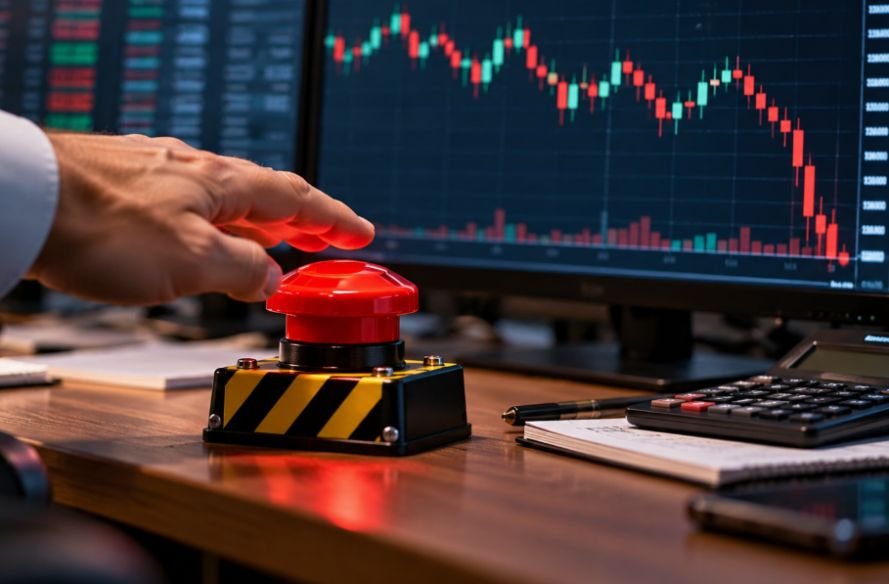
Tier 3: Activate a Trading Circuit Breaker Above 5%
A larger drawdown may justify temporarily stopping new trades and conducting a thorough review.
I would consider pausing live trading for 48–72 hours, depending on the circumstances. Existing positions still require deliberate risk management rather than automatic liquidation without assessing their consequences.
During the pause, I’d examine losing trades, test potential improvements, and establish clear conditions for returning.
A gradual return might begin at 25% of normal position risk before moving toward 50%, 75%, and eventually full size, but only if performance and risk conditions justify each increase.
How Can You Identify Why Your Forex Account Is Losing Money?
Reducing position sizes helps limit losses, but identifying their causes is equally important.
Review Your Last 20 Trades With a Screenshot Audit
I’d examine screenshots of approximately 20 recent trades, comparing planned entries and exits with actual execution.
This can reveal overtrading, weak entry signals, inconsistent stop-loss placement, or positions held beyond their original exit conditions.
Reviewing ways to reduce slippage in forex trading can also help traders identify whether unfavorable order execution contributed to unexpected losses and increased account drawdowns.
A trading journal should also record currency pairs, market conditions, position sizes, and whether each trade followed the strategy.
Check Currency Correlation and Risk Exposure
Forex correlation risk management matters when several positions respond similarly to currency movements.
For example, long positions in EUR/USD, GBP/USD, and AUD/USD can create overlapping exposure to a weakening US dollar.
I’d review these positions together rather than assuming three different currency pairs provide independent diversification.
Reevaluate Your Risk-to-Reward Ratio
A trading strategy with a 1:1.5 risk-to-reward target requires a different win rate than one targeting 1:3.
One successful trade earning three times the amount risked could mathematically offset three equal-sized losses before costs.
However, larger profit targets may reduce winning frequency. I’d evaluate historical win rates, spreads, slippage, and overall expectancy before changing targets.
How Do You Build a Practical Forex Drawdown Recovery Plan?
A realistic recovery plan should establish daily and weekly loss limits alongside maximum drawdown thresholds.
For example, a trader with an $8,000 account might limit planned risk to 0.5% per trade, or $40. Position sizes should then reflect the stop-loss distance and pip value.
Where supported, broker or platform risk controls can help enforce trading limits. However, alerts don’t necessarily block new orders, and automated restrictions must be verified.
I’d also measure recovery through behavioral milestones. Following my trading rules for five consecutive trades matters more than forcing a particular profit target.
Consistent execution provides useful evidence, although five trades alone cannot establish that a strategy is profitable.
What Common Mistakes Make Forex Drawdowns Worse?
Revenge trading is one of the most damaging reactions to trading losses.
Increasing lot sizes, doubling positions after losses, or using martingale strategies can rapidly increase exposure and margin pressure.
Averaging down without predetermined limits creates similar risks.
For American retail traders, leverage deserves particular attention. Regulatory limits generally allow up to 50:1 leverage on major currency pairs and 20:1 on other pairs, but maximum permitted leverage isn’t necessarily appropriate.
I would also avoid abandoning a strategy after a short losing streak without reviewing sufficient performance data.
How Can You Prevent Major Forex Drawdowns?
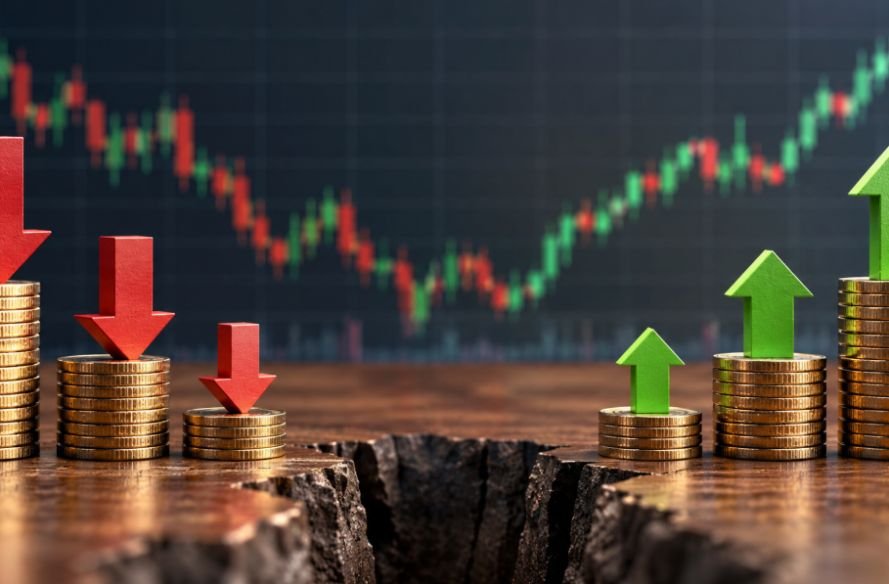
Preventing excessive losses starts with disciplined forex position sizing, realistic stop-loss placement, and consistent account monitoring.
I’d review the economic calendar before trading around Federal Reserve announcements, inflation reports, and employment data because these events can trigger volatility and slippage.
Understanding forex market liquidity and volatility can help traders anticipate changing market conditions, recognize periods of reduced liquidity, and make more informed decisions about position sizing and trade exposure.
Understanding forex trading risks during major news events can help traders prepare for sudden price movements, wider spreads, and execution problems that may contribute to unexpected account drawdowns.
I’d also verify a forex dealer’s registration through the National Futures Association’s BASIC database and review risk disclosures before funding an account.
These precautions cannot eliminate trading losses, but they support more informed decisions and stronger risk management.
Frequently Asked Questions
1. What Are the Best Forex Drawdown Recovery Strategies?
The most useful forex drawdown recovery strategies include reducing position sizes, establishing loss limits, reviewing trading history, controlling leverage, and returning gradually after identifying the causes of losses.
2. How Long Does It Take to Recover From a Forex Drawdown?
Recovery depends on account performance, market conditions, trading costs, and risk exposure. There is no guaranteed recovery period, and some accounts never regain their previous value.
3. Should I Stop Trading After a 5% Drawdown?
A 5% decline can serve as a personal review threshold, but it isn’t a universal requirement. The appropriate response depends on your trading strategy, financial resources, and predetermined risk limits.
4. Can Increasing Lot Sizes Help Recover Forex Losses Faster?
Larger positions can increase profits when trades succeed, but they also magnify potential losses. Increasing lot sizes simply to recover money can worsen drawdowns and accelerate margin depletion.
Building a Stronger Approach to Forex Trading Recovery
I believe successful drawdown recovery starts with accepting that protecting capital matters more than recovering losses immediately.
By combining a structured risk protocol, detailed trade reviews, position sizing, and realistic recovery milestones, traders can make more disciplined decisions.
My priority would always be improving the trading process rather than chasing a specific account balance. A consistent approach cannot guarantee recovery, but it can reduce avoidable risks and encourage better long-term trading habits.