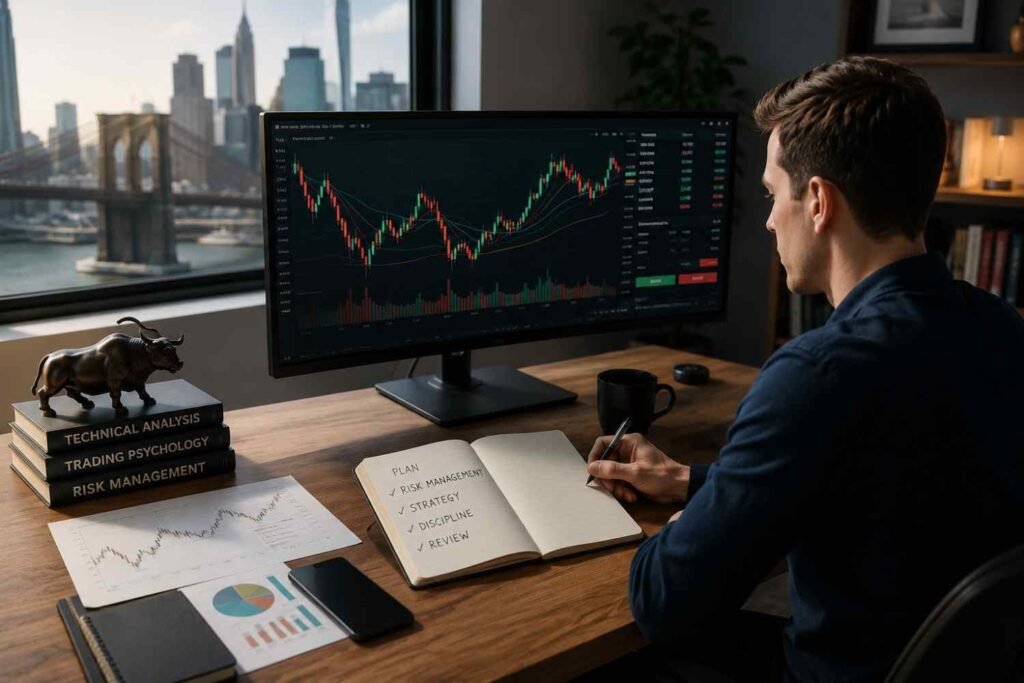

Before the opening bell, a stock can become familiar without becoming any better understood. A chart appears on Reddit, a bullish prediction follows on X, and a YouTube creator calls it an opportunity. I approach how social media trading tips can influence your market judgment by asking one question: Did the evidence change, or did the story simply become harder to ignore?
Social media can introduce useful research leads. However, it can also change which opportunities seem credible, how urgently you act, and how much uncertainty you accept. Recognizing that influence helps you evaluate a trade before someone else’s confidence becomes your own.
Why Repeated Trading Tips Feel Like Evidence
Seeing the same ticker across several platforms can create an impression of independent agreement. Yet those posts may trace back to one rumor, chart, or promotional campaign.
Ten accounts repeating a claim do not necessarily provide ten sources of evidence. Without checking the original information, repetition can make an unsupported prediction feel established.
Social Proof Can Replace Independent Analysis
Social proof encourages people to treat others’ behavior as guidance. In trading communities, enthusiastic comments and rising follower counts can make a position look sensible before you examine it.
A crowded trade may attract attention and affect prices. That does not establish its value, suitability, or likely direction. Popularity cannot tell you whether the current entry fits your strategy.
Confirmation Bias Can Narrow Your Feed
After developing a bullish outlook, you may follow accounts that support it and dismiss bearish analysis as negativity.
Over time, your feed can become an echo chamber. Agreement feels like confirmation, even when you have stopped encountering credible opposing evidence. Before accepting another supportive post, ask what information would make you reconsider your thesis.
How Online Hype Changes Risk Perception
Trading tips often emphasize potential upside while leaving important details unclear. A creator might discuss a price target without explaining the position size, holding period, or conditions that would invalidate the idea.
That missing context matters. A long-term thesis about an American company does not automatically justify an intraday entry or a short-dated options trade.
FOMO Creates Artificial Urgency
Fear of missing out can turn an interesting idea into an immediate demand for action.
Imagine a Nasdaq-listed stock surging before the opening bell. Posts suggest that anyone waiting for confirmation will miss the move. You enter despite a wider spread and a price far above your planned entry.
The warning sign is the change in your standards. You accepted conditions you would normally reject because waiting felt uncomfortable.
Recognizing this pressure also requires understanding why traders sometimes feel compelled to participate even when their predefined entry conditions remain unmet. Exploring the psychology of sitting out when there are no clear trading setups provides further insight into managing FOMO, resisting externally generated urgency, and maintaining discipline when market opportunities fail to meet established criteria.
Profit Screenshots Hide Important Context
A screenshot showing a $4,000 gain does not reveal the trader’s account size, previous losses, leverage, or total performance.
Selected winners can distort expectations and encourage social comparison. You might increase your position size to pursue someone else’s displayed outcome rather than follow your own risk limits.
Even an authentic screenshot provides incomplete evidence about a repeatable trading process.
A similar judgment error occurs when traders evaluate a decision primarily through its financial outcome rather than the quality of the reasoning behind it. This is known as outcome bias, and understanding why a profitable trade is not always a good trade can help prevent isolated winning screenshots from creating unrealistic expectations about trading performance.
Signs Your Feed Is Steering Your Decisions
Influence often appears through small departures from your plan.
You may refresh a discussion thread for reassurance after entering, adopt an influencer’s target without analysis, or ignore contrary company news because your favorite accounts remain optimistic.
Another warning sign is changing your exit criteria to match an online narrative. Holding longer because a group insists that selling shows weakness replaces a market decision with a social obligation.
A useful question is: Would this trade still make sense if the post disappeared?
A Better Way to Evaluate Social Media Tips
Check the Original Claim and Timestamp
Separate facts from forecasts. If someone claims that a company raised guidance or announced a major contract, check its investor relations page and relevant SEC filings.
Confirm when the information became public. A freshly uploaded video may discuss old news, while a screenshot may show a price that is no longer available.
Several reposts of one announcement remain one underlying source.
Examine Identity, Evidence, and Incentives
Check claimed professional credentials through BrokerCheck or the Investment Adviser Public Disclosure database where applicable.
A verification badge, polished presentation, or large audience does not establish financial expertise. Registration also does not guarantee that a recommendation is suitable.
Look for disclosed sponsorships, affiliate relationships, and compensation for stock promotion. Evaluate whether the creator acknowledges uncertainty and discusses unsuccessful calls alongside winners.
Compare the Idea With Your Trading Plan
Before placing an order, identify the setup, entry conditions, invalidation point, and planned exposure.
Ask whether the idea fits the instrument and time horizon you actually trade. Another person may hold shares for months while you are considering options expiring that week.
If you cannot explain the trade without borrowing the creator’s confidence, further research—or passing on it—is reasonable.
Keep Research Separate From Execution
Consider reviewing general trading commentary during a planned research window and limiting distracting feeds while making order decisions.
Continue monitoring information relevant to existing positions. The goal is to reduce pressure from commentary while preserving access to meaningful developments.
In your trading journal, record whether an online tip changed your entry, size, or exit.
Repeated exposure to trading commentary can also create mental overload, making it harder to evaluate information objectively and maintain consistent execution standards. Understanding how to recognize decision fatigue during a trading session can help traders identify when excessive chart checking, constant information consumption, and repeated decision-making begin to weaken their judgment.
Review both outcomes and rule adherence. A profitable impulsive trade can still reveal a weak decision process.
Frequently Asked Questions
1. How can I recognize how social media trading tips can influence your market judgment?
Look for changes in your standards after viewing a post. Rushed entries, larger positions, repeated reassurance seeking, and dismissing opposing evidence suggest that social influence may be affecting your assessment.
2. Can social media provide useful trading information?
Yes. It can surface company announcements, educational explanations, and research questions. Verify material claims independently and distinguish useful information from an instruction to trade.
3. Are all online stock recommendations scams?
No. Some are sincere but incomplete or unsuitable. Guaranteed returns, impersonation, undisclosed promotion, and pressure to join private investment chats deserve particular scrutiny.
Keep Ownership of Your Next Decision
I would treat an engaging trading post as a reason to investigate, then write down my own reasoning before acting. That pause makes it easier to see whether evidence supports the decision.
My priority would be a process I can explain and review. Online confidence can attract attention, but it cannot determine whether a trade fits my plan.