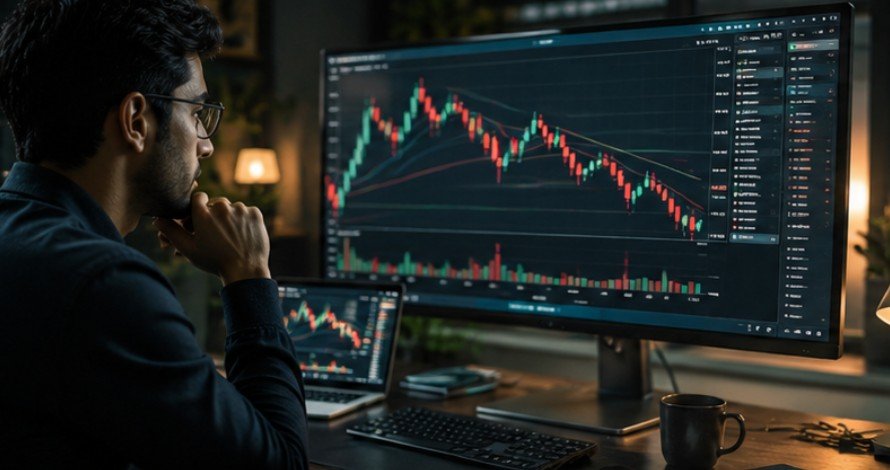
Staring at a flashing red trading screen after a sudden currency spike can make your stomach drop instantly. We have all experienced that panic when a single bad position wipes out weeks of gains. Learning how to avoid overleveraging in trading is the single most important milestone for any retail forex trader who wants to survive long term.
Trading forex offers incredible flexibility, but using too much leverage turns calculated investments into reckless gambling. When we first enter the currency market, brokers tempt us with massive leverage ratios like 1:100 or 1:500. It sounds amazing to control a hundred thousand dollars with just a few hundred bucks in your account. However, leverage acts as a double-edged sword that magnifies losses just as fast as profits.
Avoid Overleveraging in Trading Is Your Secret Weapon
Imagine driving a sports car at top speed on an icy mountain road without a seatbelt on. That is exactly what trading with excessive leverage feels like when the market suddenly swings against your position. Master this discipline early, and you instantly gain an unfair advantage over the ninety percent of traders who blow up their accounts.
Core Rules for Safe Forex Position Sizing
Navigating currency markets safely requires strict mathematical rules before opening any position.
The One Percent Risk Boundary
Fixing your total risk to one or two percent per trade preserves capital across losing streaks.
Professional forex traders never determine their lot sizes based on gut feelings or ambitious profit goals. Instead, we begin by establishing a strict risk limit between one and two percent of total account equity.
On a ten-thousand-dollar account balance, a one percent risk cap equals exactly one hundred dollars. This ceiling ensures that even a painful sequence of five consecutive losses only reduces your capital by five percent.
Sizing Positions Based on Exact Risk
Calculating lot sizes from your stop loss distance keeps your overall exposure completely controlled.
Never let your broker’s allowable margin dictate the size of your trade execution. First, identify your logical stop loss placement using technical support and resistance levels on your chart. Next, calculate your lot size by dividing your maximum dollar risk by your stop loss distance in pips.
Using this formula ensures your financial loss remains identical regardless of whether your stop loss is twenty pips or fifty pips away. You can review standard position formulas directly on Investopedia to solidify your foundation.
Defining Maximum Dollar Loss First

Accepting your exact dollar loss prior to execution eliminates emotional panic during market fluctuations.
Before clicking the buy or sell button on your platform, write down the exact dollar amount you stand to lose. Fully accepting this loss beforehand removes emotional fear while the trade stays active. If the market moves against your position, you will not feel compelled to move your stop loss further away or hold a losing trade out of desperation.
Account Rules and Market Volatility Controls
Protecting your balance requires reducing default borrowing parameters and adjusting to market shifts.
Lowering Headline Broker Leverage
Reducing your default account leverage cap creates a natural buffer against accidental overexposure.
High default broker leverage like 1:100 or 1:500 serves as a dangerous temptation for developing traders. Contact your broker or adjust your user settings to reduce your maximum account leverage to safer thresholds like 1:10 or 1:20.
Understanding what is margin call in trading also shows why lower leverage is safer. A margin call occurs when losses reduce account equity below the broker’s required maintenance level. Oversized positions consume more usable margin, leaving less room for routine price swings and increasing the risk of forced liquidation.
Lower default caps physically prevent you from opening oversized positions during moments of emotional impulse. For regulatory updates on retail leverage caps, visit the official CFTC Website for investor guidelines.
Adjusting Exposure for Market Volatility

Scaling back lot sizes during high volatility protects your equity from sudden market spikes.
Currency markets experience severe price jumps during major economic releases like inflation data or interest rate decisions. Widening market spreads and slippage during these events can cause stop losses to trigger beyond planned entry prices. To safeguard your capital, cut your standard lot size in half or step aside completely when market volatility spikes unexpectedly.
Understanding how central bank decisions affect currency markets helps traders anticipate periods when leverage becomes especially dangerous. Interest rate changes, policy statements, and economic outlook updates can trigger rapid repricing across several currency pairs at once.
Reducing position size before these announcements limits exposure to sudden gaps, spread expansion, and sharp reversals that could otherwise push an overleveraged account toward a margin call.
Setting Hard Daily Loss Brakes
Enforcing a strict daily drawdown threshold halts emotional revenge trading before catastrophic losses occur.
Even with flawless position sizing, taking multiple losses in a single session can test your psychological discipline. Establish an absolute rule to walk away from your trading desk if your daily losses reach three or four percent.
Closing your platform gives you time to clear your head, re-evaluate market conditions, and preserve your remaining capital for the next trading session. Educational tools on BabyPips offer great journal templates to track daily limits effectively.
Step-by-Step Guide on How to Avoid Overleveraging in Trading
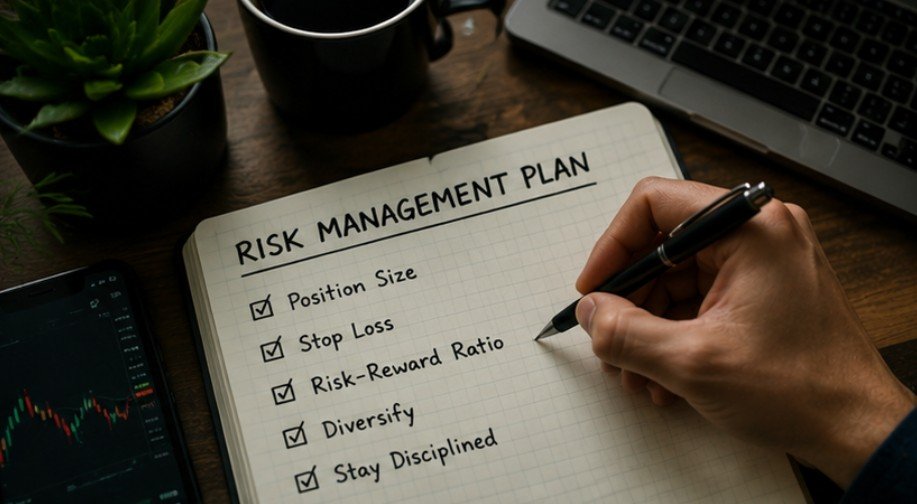
Following a systematic daily checklist ensures consistent risk management on every trade execution.
- First, determine your maximum allowable dollar risk by multiplying your current equity by your set risk percentage.
- Second, analyze your chart to place a logical technical stop loss and calculate the exact distance in pips.
- Third, use a position size calculator to determine the exact lot size required for that specific pip distance.
- Fourth, confirm that your open trade leaves a healthy margin buffer of at least eighty percent free margin on your platform.
- Fifth, place mandatory hard stop-loss and take-profit orders directly into your system at the moment of entry.
- Finally, log the trade details into your trading journal and step away from the chart to allow the market to play out.
Frequently Asked Questions
1. How to avoid manipulation in trading?
Focus on higher timeframes like four-hour charts, trade liquid major currency pairs during prime trading sessions, and place stop losses beyond obvious swing highs where institutional liquidity sweeps occur.
2. How to avoid excessive trading?
Set a strict maximum limit of two to three trades per day, create a written plan with entry triggers, and step away from your computer immediately after hitting your target or maximum loss.
3. Why do 90% of traders fail?
Most retail traders fail because they lack emotional discipline, ignore position sizing formulas, attempt to get rich quick through excessive leverage, and trade without a tested risk management strategy.
4. How to stop over leveraging?
Cap your risk to one percent per trade, calculate lot sizes based on pip distance, lower broker account leverage, and enforce mandatory hard stop losses on every position you enter.
Lock In Your Forex Protection Plan
Mastering how to avoid overleveraging in trading is your ultimate blueprint for sustainable forex success. By calculating lot sizes from stop loss distance, capping daily drawdowns, and respecting market volatility, you create an unbreakable shield for your trading capital. Prioritize risk management first, keep your losses small, and let compound interest grow your account over time.