What Is Margin Call in Trading? Protect Your Forex Account!

Trading foreign exchange currencies on leverage feels like driving a supercharged sports car on an open highway. Having managed currency portfolios through wild market swings, experiencing what is margin call in trading remains the ultimate wake-up call every retail trader deeply respects.
Key Takeaways
- A margin call is an automated account warning when available equity drops below broker requirements.
- Excessive leverage drastically accelerates account losses during volatile currency market swings.
- Brokers automatically liquidate open currency positions if equity falls below designated stop-out levels.
- Maintaining cash buffers and setting stop-loss orders prevents unexpected liquidation events completely.
- Calculating margin health keeps active trading accounts safe during major economic news releases.
Defining the Basics of Forex Account Liquidation
Every leveraged position requires collateral to remain active, and understanding this financial boundary protects your hard-earned capital. A margin call occurs when total account equity drops below the minimum maintenance threshold required by your brokerage firm.
Account equity equals your balance plus floating profits or losses. Margin level percentage measures equity divided by used margin multiplied by one hundred.
Brokerage systems continually monitor open positions against fluctuating currency values across global sessions. When losing trades erode account balance, the margin level percentage decreases toward the broker minimum limit.
If your broker sets a margin call threshold at one hundred percent, hitting eighty percent places your account directly into margin call status. The broker sends automated system alerts requesting immediate capital or trade adjustments to stabilize total balance.
Mechanics Behind High Leverage and Margin Calls

Leverage acts as a double-edged sword that amplifies both winning moves and market drawdowns rapidly. Utilizing high leverage ratios allows retail traders to control huge currency contracts with minimal initial capital outlay.
For example, controlling a standard lot of one hundred thousand dollars with fifty-to-one leverage requires two thousand dollars in initial margin. If your account balance sits at twenty-five hundred dollars, you only have five hundred dollars in free cushion.
A minor price shift against high leverage erodes small account balances almost instantly during active trading sessions. A sixty pip move against a standard lot creates a six hundred dollar floating loss, pushing equity down to nineteen hundred dollars.
When floating losses push equity below the required two thousand dollar margin, the system flagged warning triggers immediately without human delay.
Comparing Margin Call Thresholds and Stop-Out Levels
Brokers implement precise mathematical rules to safeguard both trader capital and institutional liquidity pools. A margin call serves as an initial warning, whereas a stop-out level triggers forced position liquidations automatically.
| Trading Metric | Margin Call Level | Stop-Out Level |
| Typical Threshold | 100% Margin Level | 50% or lower Margin Level |
| Broker Action | Sends system warnings and limits new trades | Liquidates worst losing trades automatically |
| Account Status | Warning zone needing quick attention | Critical action closing positions to save capital |
A margin call occurs at higher equity levels, giving traders a brief moment to react before mandatory stop-outs kick in. The stop-out level represents the ultimate floor where the brokerage software closes trades automatically to protect against negative balances.
Understanding this exact hierarchy helps traders manage volatile market events before automatic execution algorithms step in and liquidate positions.
What Triggers a Forex Account Shortfall
Understanding the root triggers behind margin shortfall helps traders construct better protective barriers around their account equity.
Sharp Drops in Currency Pair Value
Sudden market price shifts against open positions rapidly shrink floating equity while used margin requirements stay completely unchanged. High-impact news events like inflation reports or central bank rate decisions frequently trigger these massive price gaps.
Understanding what are major minor and exotic currency pairs helps traders assess margin-call risk before opening a position. Major pairs generally offer deeper liquidity and tighter spreads, while minor and exotic pairs may experience wider spreads, sharper price swings, and greater slippage. These conditions can erode free margin faster, so volatile pairs often require smaller position sizes and larger account cushions.
Increased Brokerage Capital Requirements
Brokers sometimes raise house margin rules during periods of extreme global market volatility or unexpected geopolitical developments. These sudden rule changes mean you must hold significantly more backup cash to keep identical position sizes open.
Opening Excessive Leveraged Trades
Entering additional positions without sufficient free margin eats away your defensive cushion instantly. Layering multiple trades during market chop leaves zero buffer room if prices reverse even slightly against your portfolio.
Step-by-Step Guide on Fixing Margin Call in Trading

Applying structured risk protocols prevents account destruction when markets move contrary to expected technical setups.
Deposit Fresh Cash Balance
Sending additional capital directly into your account immediately restores equity and covers the missing margin balance. This action increases your free margin cushion and moves your account percentage back into safe territory instantly.
Transfer Eligible Capital Assets
Transferring other approved financial securities or secondary account balances satisfies broker maintenance requirements effectively. This strategy works well if you hold collateral across connected brokerage services and need fast capital deployment.
Close Current Open Holdings
Selling off losing currency holdings or closing partial lot sizes frees up used margin right away. Taking action yourself allows you to choose which trades to exit rather than letting broker algorithms liquidate your positions automatically.
Four Tactical Rules to Prevent Forced Liquidation
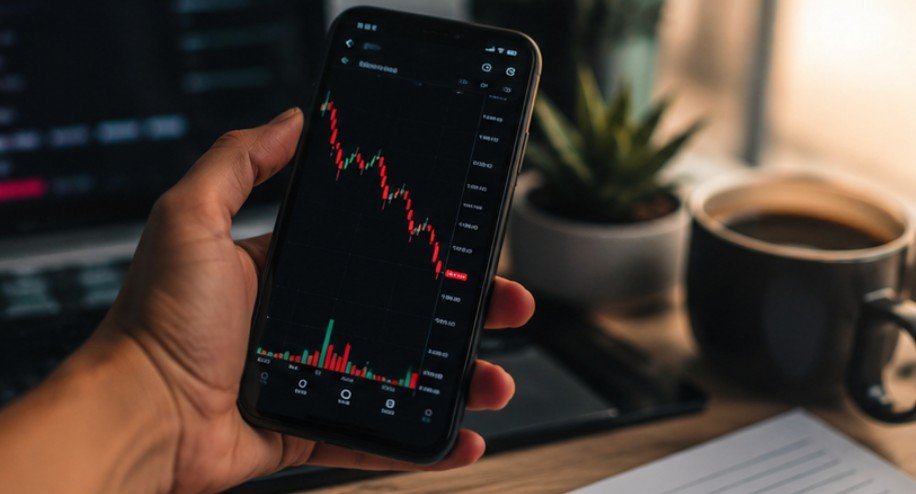
Implementing strict risk management practices guarantees longevity across unpredictable currency market cycles consistently.
Apply Stop-Loss Orders Constantly
Placing hard stop-loss orders caps potential downside losses before margin thresholds face any real danger. Pre-defining maximum account risk on every single trade ensures no rogue market spike can ever threaten your account health.
Keep Leverage Multipliers Reasonable
Utilizing maximum allowed leverage exposes trading accounts to catastrophic drawdowns during high volatility news releases. Stick to effective leverage ratios below ten-to-one to maintain healthy floating equity buffers continuously throughout every session.
Maintain Generous Free Margin Cushions
Keeping free margin high allows open positions space to navigate normal market noise and temporary price pullbacks. Adequate margin padding prevents sudden spread expansions from triggering accidental margin warnings during daily rollover periods.
Avoid Over-Trading Multiple Currency Pairs
Opening simultaneous positions across correlated currency pairs multiplies total margin requirements and overall market exposure. Monitor portfolio correlation carefully so sudden currency moves do not impact multiple trades simultaneously across your dashboard.
Strong trading psychology for small account traders is especially important because limited capital can create pressure to chase losses, increase lot sizes, or open too many positions at once. Following predefined entry rules, accepting small losses, and avoiding revenge trading helps preserve free margin and prevents emotional decisions from pushing the account toward forced liquidation.
Frequently Asked Questions
1. What is margin call with example in trading?
A margin call happens when account equity drops below required collateral. For instance, holding two thousand dollars in margin with nineteen hundred dollars in equity triggers an automated broker warning asking for funds.
2. What happens when you get a margin call in trading?
Your broker sends immediate notifications urging you to deposit capital or close trades. During a margin call, your account functionality becomes restricted, preventing you from opening new positions until equity recovers.
3. What happens if you ignore a margin call in trading?
Ignoring the notification while losses accumulate leads directly to the broker stop-out level. The system automatically liquidates your open positions at current market prices to prevent your account from going negative.
4. Are margin calls good or bad in trading?
While receiving one feels stressful, margin calls act as crucial safety mechanisms. They prevent traders from losing far more capital than originally deposited by enforcing structural risk boundaries automatically.
Dodging the Liquidation Reaper: Your Path to Trading Longevity
Understanding what is margin call in trading transforms a scary financial threat into an essential risk management tool. Respecting leverage limits, maintaining generous equity buffers, and employing strict stop-loss rules ensures you remain in complete control of your capital. Protect your downside first, trade with discipline, and let proper risk management fuel your long-term foreign exchange success.