
A stock gaps higher before the opening bell, volume surges, and social media fills with screenshots from traders who claim they caught the move. I may know the price is extended, yet fear can make a bad entry feel urgent.
Learning how to control FOMO when trading US stocks is not about eliminating emotion. It is about building safeguards that keep excitement, regret, and crowd pressure away from my order screen.
Earnings reactions, analyst upgrades, small-cap breakouts, premarket movers, and breaking news create this pressure daily. My goal is not to capture every surge. I want to protect my capital and trade only when a setup matches rules I defined before the market opened.
What Does FOMO Look Like in US Stock Trading?
FOMO appears when I buy because a stock is moving rather than because its price offers acceptable risk. I may chase green candles, increase my position, abandon my stop, or copy a ticker from Discord, Reddit, or X without understanding the catalyst.
Research by Brad Barber and Terrance Odean links individual buying to attention-grabbing stocks, news, unusual volume, and extreme price moves. Investor.gov also warns that social-media stock tips may be misleading or fraudulent.
How Do I Build Trading Safeguards Before the Opening Bell?
Write Entry and Exit Rules First
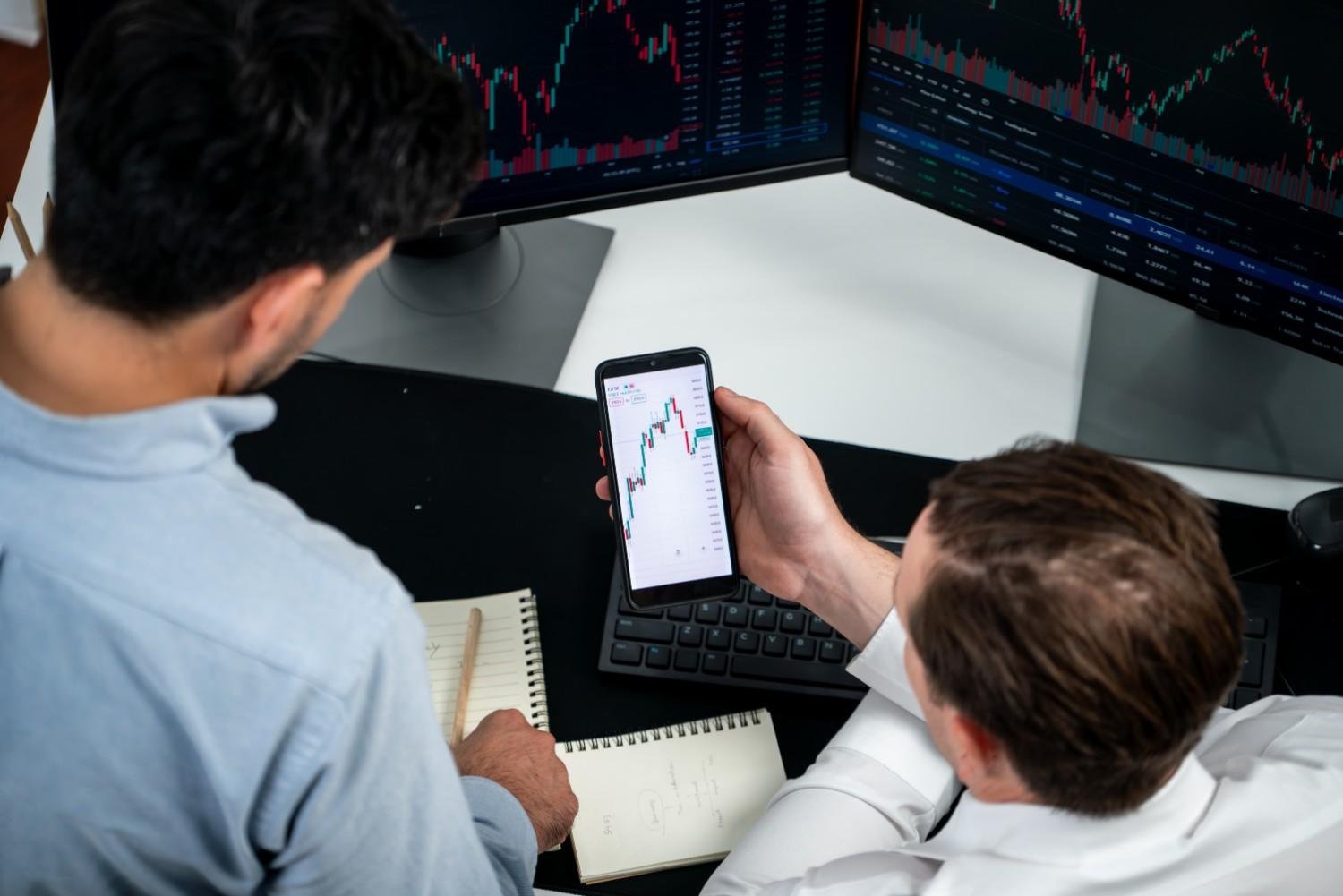
Before 9:30 a.m. Eastern Time, I define the catalyst, entry zone, stop level, target, and conditions that would make me skip each trade. I limit my watchlist to five to ten stocks instead of reacting to every scanner alert.
When a stock moves beyond my planned entry range, I consider the opportunity missed. I do not keep raising my entry because the chart continues higher. A valid setup can become poor when the stop distance expands and the risk-to-reward ratio collapses.
Use Hard Stops and Automated Exits
I place a broker-supported stop-loss or another predefined automated exit on every trade. It creates a boundary when emotion tempts me to hold and hope. A stop may fill at a worse price during gaps, halts, or extreme volatility, so position sizing still matters.
I never move the stop farther away after entering. When price invalidates my idea, I exit instead of rewriting the plan.
Use Limit Orders and Small Positions
I use limit orders for planned entries rather than impulsively buying at the current market price. A limit order controls the highest price I will pay, although it may not fill.
I generally risk no more than 1% of trading capital on one position and treat 2% as an absolute ceiling. New traders and volatile stocks may require less. I calculate share size from the distance between entry and stop.
How Can I Modify My Trading Environment to Reduce FOMO?

During market hours, I mute Discord, Reddit, X, and other feeds that encourage comparison or promote unfamiliar tickers. I may research ideas later, but never treat social platforms as live order signals.
I turn off flashing phone notifications and broad “stock is moving” alerts. I keep only price alerts tied to levels already written in my plan. Random notifications create urgency; planned alerts reduce screen watching.
After executing my planned setups, I walk away. Watching every candle can turn a controlled session into overtrading.
How Do I Accept Missed Stock Moves Without Chasing?
I remind myself that the US stock market creates new opportunities every trading day. A missed breakout is not money removed from my account. Chasing it can create a real loss.
I treat cash as an active position because it preserves buying power and keeps me ready for a better setup. I measure success by rule adherence rather than daily profit because a profitable rule-breaking trade can reinforce bad behavior.
My trading journal records the ticker, entry, planned risk, emotional trigger, and whether the trade followed my system. I tag late entries, oversized positions, social-media trades, and resisted impulses. The data reveals how emotional decisions actually perform.
What Is the Five-Minute FOMO Reset Routine?
When I feel the urge to chase, I use the same sequence:
Feel the impulse to chase
↓
Step away from the screen for five minutes
↓
Check the trade against my written plan
↓
If it matches, calculate risk and execute
↓
If it violates the plan, skip it and close the chart
This reset allows fast-moving trades only when they pass the same catalyst, entry, stop, liquidity, position-size, and risk-to-reward tests as every other setup.
What Should I Do After Taking a FOMO Trade?

After an impulsive entry, I return to my risk rules, reduce exposure, and exit when no logical invalidation level exists.
I then fix the system failure by disabling one-click trading, removing the brokerage app, shortening my watchlist, blocking social media, or requiring a completed checklist.
These changes create friction between the emotional impulse and the final order. That protection is more dependable than promising myself that I will be more disciplined during the next fast-moving session.
Frequently Asked Questions (FAQs)
1. Why Do I Keep Buying Stocks After They Rise?
Fast moves create urgency and make missed profits feel like actual losses. A fixed entry zone and five-minute reset can interrupt that reaction.
2. Can a Stop-Loss Completely Protect Me?
No. Gaps, trading halts, and fast markets can produce an exit below the expected stop price.
3. Should I Stop Using Stock Alerts?
Turn off broad notifications. Keep only alerts tied to levels defined in your premarket plan.
4. Is Sitting in Cash a Valid Trading Strategy?
Yes. Cash preserves capital and keeps me ready for a stronger setup rather than forcing an impulsive position.
This article is for educational purposes only and does not provide personalized investment, legal, or tax advice.
Final Thoughts
I cannot remove emotion from trading, but I can limit its access to my capital. A premarket plan, automated stops, limit orders, small positions, a focused watchlist, fewer notifications, and a five-minute reset give me time to decide deliberately. These safeguards also show me how to avoid breaking trading rules when urgency begins to override judgment.
I do not need every market move. I only need setups that match my rules and keep risk manageable. That is how to control FOMO when trading US stocks while preserving capital for the next opportunity.