How Central Bank Decisions Affect Currency Markets
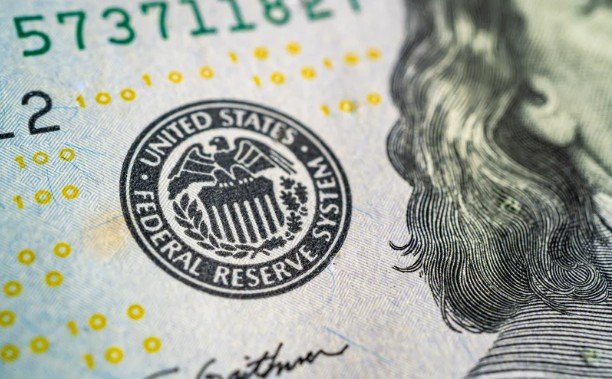
When I watch the dollar react to a Federal Reserve announcement, I do not focus on the headline rate alone. I compare the decision with expectations, study the statement, and listen for clues about future policy. Understanding how central bank decisions affect currency markets requires attention to rate gaps, guidance, liquidity, credibility, positioning, and risk sentiment.
Why Central Bank Policy Moves Currency Prices
Central banks influence currencies by changing the returns available on assets denominated in those currencies. When the Federal Reserve raises rates, Treasury yields and other dollar-based investments may become more attractive. International investors may need more dollars to buy those assets, increasing demand.
Rate cuts can reduce that advantage, but markets are forward-looking. When a decision is widely expected, much of its effect may already be reflected in the exchange rate.
Interest Rate Differentials Matter
Forex compares two currencies. EUR/USD reflects the relative outlook for the Federal Reserve and European Central Bank, while USD/JPY compares Federal Reserve policy with the Bank of Japan.
A currency can strengthen after a rate cut when the other central bank is expected to ease faster. Traders therefore monitor policy paths, bond yields, and borrowing-cost gaps.
Expectations Matter More Than the Headline

The largest moves often happen when a decision differs from the forecast. An unexpected increase can strengthen a currency because traders must rapidly reprice future returns. An unexpected cut can weaken it.
The message may matter even more. A central bank can raise rates but suggest tightening is nearly finished. Traders may treat that as a dovish hike and sell the currency. It can also cut rates while warning that inflation remains persistent, creating a hawkish cut that supports the currency.
Currencies sometimes move against the headline because markets react to the gap between the result and what was already priced into futures, bonds, options, and forecasts.
How Forward Guidance Moves Forex Markets
Forward guidance tells investors how officials view future policy. Traders study statements, minutes, voting splits, projections, and press conferences for changes in tone.
Hawkish language suggests inflation remains the priority and restrictive policy may continue. Dovish language signals greater concern about growth or employment and a higher probability of easing.
Federal Reserve projections can immediately affect Treasury yields and the dollar. Even a small wording change can shift expectations for several meetings.
QE, QT, and Balance-Sheet Policy
During quantitative easing, a central bank buys securities and adds liquidity. This can lower longer-term yields and reduce the currency’s appeal.
Quantitative tightening removes liquidity by shrinking or no longer expanding the balance sheet. It can lift yields, although the result depends on growth, market stress, and other central banks.
Neither policy guarantees one outcome. When understanding pips, lots and leverage in forex, traders should also consider how monetary policy affects broader market sentiment. If easing reduces recession risk, stronger confidence may offset some downward currency pressure.
How Direct Currency Intervention Works

A central bank or government may buy or sell currencies directly. To support its currency, an authority can sell foreign reserves and purchase the domestic currency. To restrain an overly strong currency, it can do the reverse.
Intervention works best when it surprises the market, is coordinated, and is supported by broader policy. A one-time operation may fade when it conflicts with inflation, interest rates, or economic fundamentals.
Floating currencies respond mainly to markets, while managed or pegged currencies may also be influenced by reserves and official trading ranges.
Why Credibility and Economic Data Matter
Markets react not only to what central banks say but also to whether investors believe them. A credible institution can move yields through guidance alone. A central bank with weak inflation credibility may need stronger action before traders accept its message.
Before Federal Reserve meetings, investors monitor inflation, employment, wages, retail spending, business activity, and economic output. Strong data can delay expected rate cuts, while weak data can bring them forward.
Traders compare every release with forecasts, revisions, and stated policy priorities rather than relying on one report.
What Happens Around a Policy Announcement
Before the Release
Traders build positions using data, official speeches, futures pricing, and forecasts. The dollar may move for days before the meeting.
At the Decision
Automated systems react within seconds. Liquidity can thin, spreads may widen, and prices can swing sharply.
During the Press Conference
The market reassesses the future path. An initial move can reverse when the chair’s comments change the interpretation.
After the Meeting
Bond yields, options pricing, and new data determine whether the reaction continues. Crowded carry trades may unwind and magnify volatility.
Frequently Asked Questions
1. Why can a currency fall after a rate increase?
The increase may already be priced in, the statement may signal future cuts, or traders may have expected a larger move.
2. How does forward guidance affect the dollar?
It changes expectations for Federal Reserve policy, influencing Treasury yields, capital flows, and dollar demand.
3. Do higher rates always strengthen a currency?
No. The outcome depends on expectations, relative policy, inflation, economic conditions, and investor positioning.
4. What should traders know about how central bank decisions affect currency markets?
They should compare the decision with expectations, study future guidance, and evaluate policy differences between both currencies in the pair.
Final Perspective
I view central bank announcements as expectation-reset events rather than isolated rate decisions. The clearest signals often appear in the gap between the forecast and the result, the change in official language, and the relative direction of two central banks.
When I combine those clues with bond yields, economic data, credibility, intervention risk, and positioning, currency movements become easier to interpret. No framework removes volatility, but focusing on expectations and policy divergence is more useful than assuming every hike strengthens a currency and every cut weakens it.