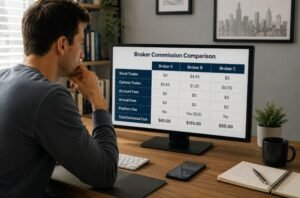
Best Broker Features for Day Traders That Help You Stay One Step Ahead
When I first started comparing brokers, I made the same mistake many new traders make. I looked at commission rates, welcome offers, and polished websites, assuming that was enough to make a good choice. It didn’t take long to realize that the real differences only showed up when the market started moving fast. A platform that looked impressive on paper wasn’t always reliable when every second counted.
That experience changed how I evaluate trading platforms. Today, I pay much more attention to execution speed, platform stability, charting tools, and risk management features than flashy promotions. The best broker features for day traders aren’t the ones that sound exciting in advertisements. They’re the ones that quietly help you make better decisions when markets become unpredictable.
Why Features Matter More Than Marketing

Every day traders want fast trades, but speed alone doesn’t guarantee better results. What matters is how a broker handles your order from the moment you click Buy or Sell until it’s filled.
A broker with dependable technology can reduce delays, minimize slippage, and give you more confidence during volatile sessions. On the other hand, even a small delay can change an entry price, affect a stop-loss, or reduce potential profits.
That’s why experienced traders usually compare platform performance before comparing promotions.
Execution Speed Can Make or Break a Trade
One feature that deserves the most attention is execution speed. During major market events, prices can move several times within a second. If your broker takes too long to process an order, you may enter or exit at a completely different price than expected.
Low-latency systems help reduce this problem by processing orders almost instantly. While no broker can eliminate market risk, faster execution gives traders a better chance of receiving prices closer to what they expected.
Execution speed also works closely with liquidity. When a broker can access deep pools of buyers and sellers, orders often fill more efficiently, especially during periods of heavy trading activity.
Understanding who are the main participants in the forex market also explains where liquidity comes from and why banks, institutions, brokers, and individual traders can influence execution conditions.
Direct Market Access Gives Traders More Control

Direct Market Access, commonly called DMA, allows orders to be routed directly to exchanges or electronic communication networks instead of following traditional retail order routing.
For active traders, this can improve order precision and provide greater transparency. It also becomes valuable when placing large orders or trading highly active stocks where every price movement matters.
DMA isn’t essential for everyone, but traders who rely on short-term price movements often appreciate the additional control it provides.
Real-Time Charting Helps You React Faster
Charts have always been part of trading, but modern platforms have made them much more interactive.
Instead of switching between multiple windows, traders can monitor price action, technical indicators, volume, and market depth from a single workspace. Features like Level II quotes and Time and Sales data provide a clearer picture of buying and selling activity happening behind the current market price.
Many platforms also allow chart trading, making it possible to place or adjust trades directly from the chart. That saves time and reduces unnecessary clicks during fast-moving markets.
Flexible Order Types Improve Risk Management
Successful day trading isn’t only about finding opportunities. It’s also about protecting your capital.
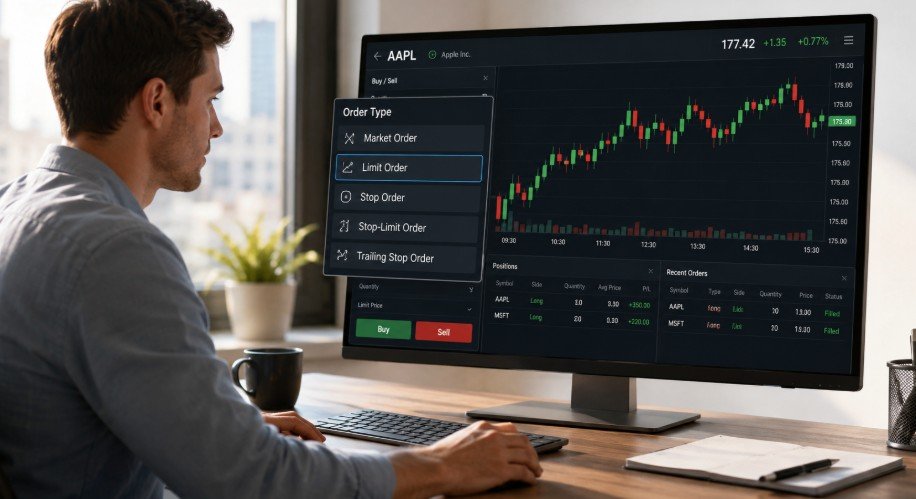
Modern trading platforms include order types that help traders plan exits before a position is even opened. Bracket orders automatically create both a profit target and a stop-loss immediately after an entry order is filled.
This approach removes some emotional decision-making while ensuring risk management remains part of every trade.
Limit orders, stop orders, trailing stops, and conditional orders also give traders more flexibility than simply using market orders for every position.
Platform Stability Often Gets Overlooked
Many traders focus on tools but forget about reliability.
A trading platform filled with advanced indicators doesn’t offer much value if it freezes during periods of high volatility. Stable performance, consistent uptime, and responsive software become especially important during earnings reports, economic announcements, or unexpected market events.
Choosing a broker with a dependable trading infrastructure often provides greater long-term value than selecting one with the longest list of features.
Buying Power and Margin Tools Matter Too
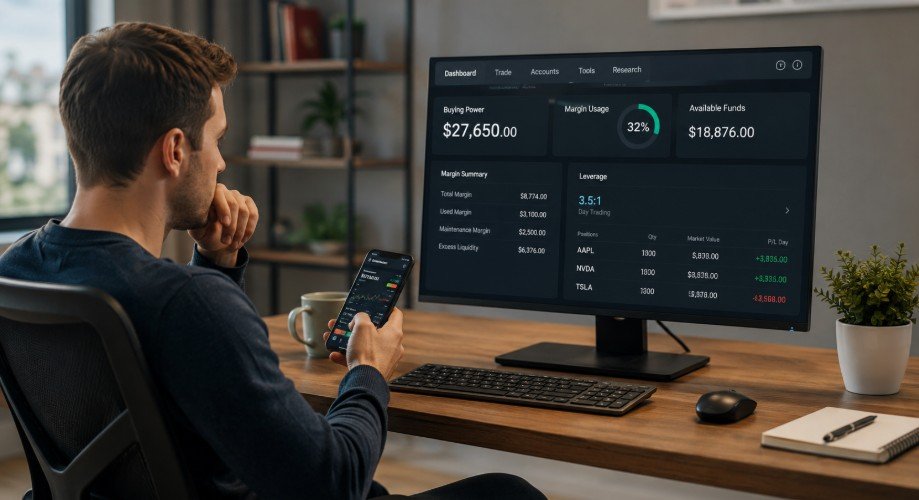
Day traders frequently use margin accounts, making real-time buying power calculations extremely useful.
Modern platforms automatically update available buying power as positions change throughout the trading session. This helps traders understand how much capital remains available while staying within regulatory requirements.
Clear account information also reduces mistakes caused by outdated balances or incorrect position sizes.
Transparent Costs Go Beyond Commission Rates
Low commissions attract attention, but they rarely tell the full story.
Spreads, overnight financing, inactivity fees, withdrawal charges, and currency conversion costs can quietly increase overall trading expenses. Looking beyond headline pricing gives traders a more accurate picture of what they’ll actually pay over time.
If you’re comparing brokerage costs, our how to identify hidden fees charged by forex brokers explains where these additional charges often appear and how to spot them before opening an account.
Choosing Features That Match Your Trading Style

No trading platform is perfect for everyone.
A trader focused on momentum strategies may prioritize execution speed, hotkeys, and Level II market data. Someone who prefers swing trading may care more about research tools, chart customization, and risk management features.
The goal isn’t finding the broker with the longest feature list. It’s finding the one whose strengths match the way you actually trade.
Frequently Asked Questions
1. Which broker feature is most important for day traders?
Execution speed is usually the highest priority because even small delays can affect entry and exit prices during volatile markets.
2. What is Direct Market Access in day trading?
DMA sends orders directly to exchanges or ECNs, giving traders faster execution and greater control over how orders are routed.
3. Why are Level II quotes useful?
Level II data shows market depth by displaying active buy and sell orders. This helps traders better understand short-term market activity and liquidity.
4. Should beginners focus on advanced trading tools?
Not immediately. Beginners often benefit more from a stable platform, simple charts, transparent pricing, and strong educational resources before using advanced features.
Better Trading Starts With Better Decisions
The best broker features for day traders don’t guarantee profitable trades, but they can remove many of the obstacles that make trading more difficult. Fast execution, reliable technology, practical risk management tools, and transparent pricing all work together to create a smoother trading experience.
Choosing the right broker isn’t about finding the platform with the most features. It’s about finding one that helps you trade with confidence every single day.