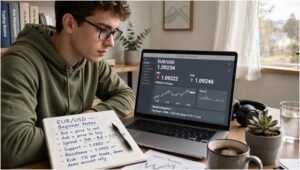

Trading from home offers freedom from office politics, commuting, and rigid schedules. However, that independence can create an unexpected problem: spending entire days without meaningful human interaction. Learning how to avoid social isolation as a full time trader is essential for protecting mental health, maintaining relationships, and building a sustainable trading career.
I believe successful trading should create more personal freedom, not eliminate the connections that make life enjoyable. A structured routine, supportive community, and interests outside financial markets can help independent traders achieve both professional independence and a fulfilling social life.
Establish Trading Hours That Protect Personal Time
One major reason traders become socially disconnected is the absence of a clear boundary between work and personal life.
Forex markets operate nearly continuously during the trading week, making it tempting to monitor currency movements throughout the day.
Build Your Schedule Around Market Sessions
Traders based in New York, Chicago, or Los Angeles should choose market sessions that fit their strategies and lifestyles.
For example, a New York-based forex trader might concentrate on the London–New York overlap and finish active trading by early afternoon.
Rather than monitoring every opportunity, define a trading window, establish exit rules, and schedule personal activities afterward.
Understanding how currency pairs work in forex can help traders compare different currency combinations and choose markets that align with their preferred trading sessions and daily schedules.
Understanding how major, minor, and exotic currency pairs differ can also help traders select instruments that fit their preferred hours and risk tolerance.
Separate Trading Space From Living Space
A dedicated workspace helps establish psychological boundaries.
When trading ends, close trading applications, silence unnecessary notifications, and leave the workstation.
Even in a small apartment, separating trading equipment from relaxation areas can make it easier to disconnect mentally.
Build Relationships With Other Traders Without Encouraging Overtrading

Connecting with people who understand trading can reduce the frustration of working independently.
Learning who the main participants in the forex market are can help traders understand the different institutions and individuals involved in currency trading while providing useful conversation topics when connecting with other market participants.
However, not every trading community provides healthy social support.
Choose Communities That Encourage Learning
Consider joining moderated trading forums, educational groups, professional networking communities, or local financial-market meetups.
Look for discussions centered on risk management, trading psychology, and strategy development instead of constant profit screenshots.
A reliable trading accountability partner can provide an opportunity to discuss challenges without encouraging impulsive decisions.
Schedule weekly conversations rather than exchanging market messages throughout every session.
The U.S. Securities and Exchange Commission’s investor guidance warns about the risks associated with short-term trading driven by social media attention. Social interaction should improve emotional well-being without increasing financial pressure.
Make Non-Trading Friendships a Weekly Priority
One overlooked aspect of how to avoid social isolation as a full time trader is maintaining relationships with people who have no interest in financial markets.
Friends and family provide perspectives that are not influenced by daily profits, losses, or market conditions.
A trader experiencing several losing sessions might find greater emotional relief in a relaxed dinner with friends than another hour of market analysis.
The American Psychological Association explains that emotional support can help people manage difficult experiences and stress.
Schedule regular meals, phone calls, weekend activities, or family gatherings. Treat these commitments with the same seriousness as scheduled trading sessions.
Avoid turning every conversation into a market discussion. Relationships become more meaningful when people connect through shared experiences rather than professional performance.
Use Exercise and Hobbies to Create Natural Social Connections

Socializing becomes easier when it develops through enjoyable activities instead of feeling like another professional obligation.
Joining a recreational basketball league, yoga class, cycling club, or local gym provides opportunities to meet people regularly.
For traders who spend hours sitting, physical activities also offer a welcome break from screens.
Explore Interests Beyond Financial Markets
Creative hobbies, language classes, gardening groups, and community volunteering introduce traders to people from different backgrounds.
The National Institute on Aging reports that participation in enjoyable social activities is associated with several potential health benefits, although much of its guidance focuses on older adults.
Activities unrelated to trading also reinforce an important distinction: personal identity should not depend entirely on financial results.
A disappointing trading day does not prevent someone from enjoying music, learning a skill, or contributing to a community project.
Consider Coworking Spaces for Everyday Human Interaction

Working from a shared environment can offer a practical alternative to spending every trading day at home.
Coworking spaces provide opportunities for casual conversations, networking, and social interaction without requiring traditional employment.
Many US cities offer flexible coworking memberships, including daily passes and part-time access. However, shared offices are not ideal for every trading strategy.
Active traders require reliable internet connectivity, privacy, and minimal distractions. A noisy coworking environment could interfere with concentration during volatile market conditions.
A balanced option is to trade from a quiet home office and use a coworking space for research, journaling, or administrative tasks.
Recognize When Isolation Requires Additional Support
Occasional solitude is not necessarily harmful. Some traders genuinely prefer quieter environments and smaller social circles.
However, prolonged loneliness accompanied by sadness, sleep disturbances, withdrawal, or declining motivation deserves attention.
The CDC’s guidance on loneliness encourages people experiencing persistent difficulties to connect with others and discuss their feelings with a healthcare professional.
Centers for Disease Control and Prevention
Professional support can be especially valuable when financial stress and isolation occur together.
Trading should never become a substitute for emotional support, meaningful relationships, or necessary healthcare.
Frequently Asked Questions
1. How can full-time traders maintain friendships?
Schedule regular social activities, communicate outside trading hours, and maintain relationships with people who have different professional interests.
2. Is trading alone bad for mental health?
Not necessarily. Solitude can be comfortable and productive. Persistent loneliness, emotional withdrawal, and insufficient social support are more concerning than simply working independently.
3. Can online trading communities replace in-person relationships?
Online communities can provide companionship and professional support, but a balanced social life benefits from meaningful personal relationships beyond trading platforms.
4. What is the easiest way to avoid social isolation as a full time trader?
Start with scheduled conversations, one recurring group activity, and clear boundaries between trading hours and personal time.
A Trading Career Should Leave Room for Life
Financial independence loses some of its meaning when it comes at the expense of friendships, family relationships, and personal happiness.
I believe the healthiest approach is to design trading around a fulfilling life rather than allowing market activity to control every hour. A consistent shutdown routine, supportive friendships, regular exercise, and enjoyable hobbies create opportunities for connection without sacrificing professional discipline.
You do not need a crowded calendar or constant company to feel connected. Begin with one meaningful conversation, one shared activity, and one evening away from the charts. The best trading lifestyle provides freedom both inside and outside the markets.