
A trader can spend hours researching the market, identify a promising opportunity, and still experience a racing heartbeat before placing an order. Surprisingly, that nervousness does not necessarily mean the analysis is wrong.
So, why does trading cause anxiety even when someone understands market risks?
The answer involves financial uncertainty, fear of losses, performance expectations, and the brain’s response to perceived threats. Every price movement introduces the possibility of losing money, making trading emotionally demanding.
Understanding these psychological pressures can help traders recognize unhealthy patterns, manage financial exposure, and make more deliberate decisions.
Seven Psychological Triggers Behind Trading Anxiety
1. Losing Money Feels More Threatening Than Missing Profits
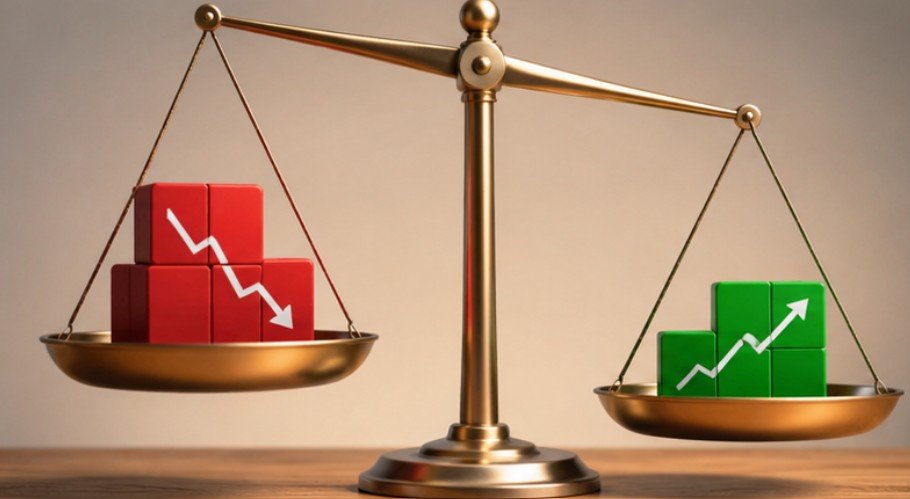
Loss aversion describes the tendency to give potential losses greater psychological weight than comparable gains.
Research examining theories of financial decision-making shows that people’s sensitivity to losses depends partly on circumstances and how choices are presented.
For example, losing $200 might feel more significant than earning $200 feels rewarding.
This imbalance can encourage traders to close profitable positions prematurely while holding losing positions in hopes of avoiding a realized loss.
2. Market Uncertainty Creates a Constant Need for Control
Financial markets respond to economic announcements, interest-rate expectations, institutional activity, and unexpected global developments.
American forex traders may experience sudden volatility around Federal Reserve announcements, inflation reports, and employment data.
Even careful analysis cannot guarantee how prices will react.
Traders who demand certainty before acting may repeatedly reconsider entries, move stop-loss orders, or monitor charts excessively.
3. Financial Pressure Turns Ordinary Losses Into Personal Threats

Trading becomes particularly stressful when the money at risk is needed for rent, groceries, debt payments, or family responsibilities.
A $100 loss may be manageable for someone with substantial savings but financially serious for someone living paycheck to paycheck.
This distinction matters because anxiety is influenced by financial circumstances, not simply the size of a trading account.
Trading with essential household funds can make routine market fluctuations emotionally overwhelming.
4. Fear of Missing Out Encourages Impulsive Decisions
Fear of missing out, commonly called FOMO, develops when traders believe a profitable opportunity is disappearing.
Imagine watching a currency pair rise sharply after an economic announcement. Entering late might feel necessary because everyone else appears to be making money.
However, chasing price movements without analyzing risk can lead to unfavorable entries.
Social media trading communities can intensify this pressure by displaying impressive gains without revealing corresponding losses.
5. Perfectionism Makes Every Trade Feel Like an Examination
Some traders evaluate their abilities almost entirely through daily profit-and-loss figures.
A losing trade becomes evidence of personal failure, while a profitable trade temporarily restores confidence.
This creates an unstable relationship between performance and self-worth.
Because even a statistically sound strategy can experience consecutive losses, expecting flawless execution and consistently profitable outcomes is unrealistic.
Traders who constantly question their methods may benefit from learning how to stop chasing the perfect trading strategy, since repeatedly switching approaches can increase uncertainty and emotional pressure.
6. Leverage Magnifies Emotional Pressure
Leverage allows traders to control positions larger than their available capital. Although it increases market exposure, it also magnifies losses relative to the trader’s funds.
The Financial Industry Regulatory Authority emphasizes that frequent intraday trading involves meaningful risks, particularly when margin is involved.
Rapid account fluctuations may encourage traders to react emotionally rather than follow planned exit rules.
7. Previous Losses Can Create Fear Before the Next Trade
A trader who has experienced a substantial loss may become nervous even when a later opportunity meets their strategy’s requirements.
This anticipatory anxiety can produce hesitation, repeated analysis, or avoidance.
Other traders react differently, entering excessive positions to recover earlier losses. Both responses illustrate how previous experiences can influence future financial decisions.
Recognizing the emotional urge to recover losses immediately is essential, and learning how to stop revenge trading after a big loss can help traders avoid impulsive decisions that increase financial and psychological pressure.
How Anxiety Changes Trading Decisions
Trading anxiety does not always appear as visible panic.
Sometimes it shows up through subtle behavioral changes.
Repeatedly second-guessing trades and struggling to concentrate can also signal mental overload, so learning how to recognize decision fatigue during a trading session can help traders identify when stress is affecting their judgment.
An anxious trader might repeatedly check account balances, abandon carefully selected entry points, or exit positions whenever prices fluctuate.
Another may increase trading frequency to compensate for disappointing results.
These responses can create a damaging feedback loop: financial pressure produces emotional decisions, emotional decisions increase risk, and additional losses reinforce anxiety.
However, stress does not affect everyone identically. Research on loss aversion shows that emotional responses and risk preferences vary across people and situations.
Therefore, anxiety should be evaluated through actual behavior rather than assumptions about how every trader reacts.
How to Reduce Anxiety Without Ignoring Trading Risks
Create Rules Before the Market Opens
A written trading plan should establish entry conditions, position sizes, exit criteria, and maximum acceptable losses.
Deciding these factors before placing an order reduces the number of emotionally charged decisions required during market volatility.
Scheduled breaks can also prevent prolonged screen monitoring from dominating the day.
Separate Trading Performance From Personal Identity

Instead of judging an entire session through profit or loss, evaluate whether each decision followed established rules.
A losing trade executed according to a disciplined process is not automatically evidence of poor judgment.
Likewise, an impulsive profitable trade does not prove that the decision was sensible. Keeping a trading journal helps distinguish market outcomes from controllable behavior.
Know When Professional Support Is Appropriate
Trading-related nervousness does not automatically indicate an anxiety disorder. However, persistent worry, sleep disruption, panic symptoms, or difficulty functioning deserve attention.
The National Institute of Mental Health advises seeking professional support when anxiety begins interfering with work, relationships, or everyday responsibilities.
No trading technique should replace appropriate mental health care.
Frequently Asked Questions
1. Is anxiety normal when trading forex?
Yes. Some nervousness is understandable because forex involves uncertain prices and potential financial losses. Persistent or overwhelming anxiety, however, should not be dismissed as an unavoidable part of trading.
2. Why does trading cause anxiety even after making profits?
Profitable traders may still fear losing accumulated gains, missing opportunities, or failing to repeat previous success. Financial pressure and perfectionism can persist regardless of recent results.
3. Can trading anxiety affect physical health?
Prolonged stress can contribute to sleep difficulties, muscle tension, headaches, and concentration problems. Persistent symptoms should be discussed with a qualified healthcare professional.
4. Does paper trading help reduce trading anxiety?
Paper trading allows people to practice strategies without risking real money. However, simulated results cannot fully reproduce the emotional pressure, execution conditions, and financial consequences of live trading.
Financial Discipline Starts With Emotional Awareness
Trading anxiety is not simply a problem of confidence or insufficient market knowledge. It often reflects a combination of financial vulnerability, uncertainty, previous experiences, and unrealistic expectations.
I believe the most useful starting point is understanding what makes an individual trade feel threatening. Sometimes the answer is excessive leverage. Other times, it is pressure to earn consistent income or recover previous losses.
Reducing exposure, establishing realistic expectations, maintaining personal boundaries, and seeking support when necessary can make decision-making more manageable.
The goal is not to eliminate every uncomfortable emotion. It is to recognize when trading risk has become personally unacceptable—and respond before anxiety dictates the next decision.