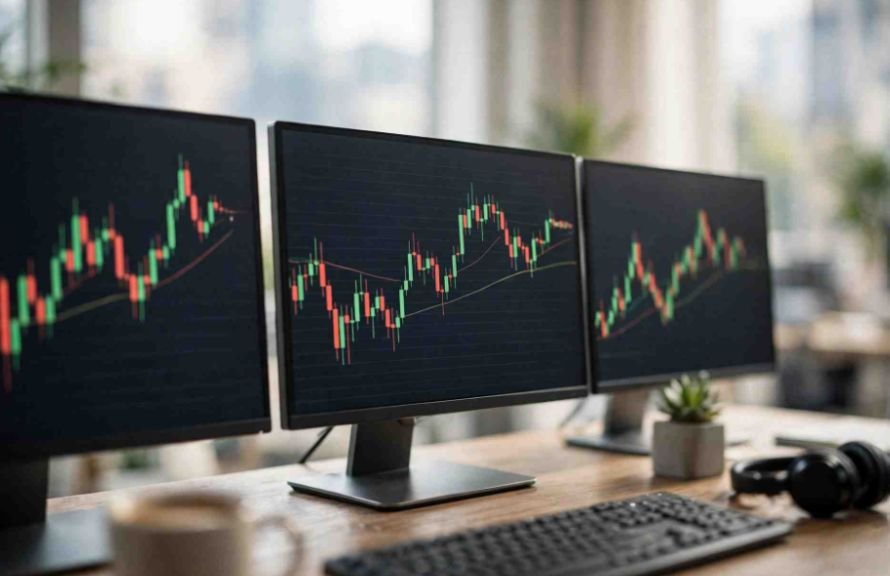
When I compare an EUR/USD chart with an order ticket, I check which price each screen displays. One may show the bid, while the other shows the ask. That small difference can make it look as though two platforms disagree even when both are showing the same underlying quote.
To explain how forex price feeds work, I’ll follow a quote from its source to the trading screen. I’ll also use one EUR/USD example to show how to compare prices across platforms and make sense of a fill that differs from the number you saw on your chart.
What Is a Forex Price Feed?
A forex price feed is a stream of updates for a currency pair. A quote typically has two sides. The bid is the price at which you can sell the base currency, and the ask is the price at which you can buy it, subject to the broker’s execution terms. The difference between the two is the spread.
The spot forex market operates over the counter across a network of banks, dealers, and electronic venues. Each broker or data provider draws from the sources it can access. As a result, two platforms can show different prices for the same currency pair at the same time.
Where Do Forex Brokers Get Their Prices?
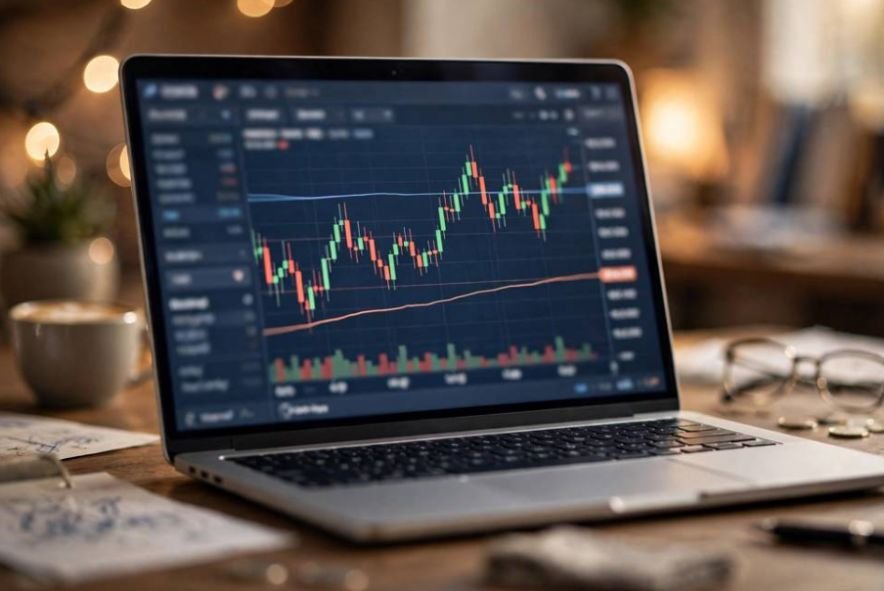
Banks, non-bank market makers, and electronic trading venues can supply pricing. Some brokers receive quotes from several liquidity providers directly. Others use an intermediary that combines quotes from multiple sources. The mix of providers helps determine which bids and asks the broker can see.
How a Broker Builds and Streams a Quote
A broker that receives several streams can use a pricing engine to combine them. The highest available bid and lowest available ask may come from different providers. The broker can then apply account-specific pricing rules, such as a markup, before sending the resulting quote to its trading platform.
This is where how forex price feeds work becomes visible to the trader. If liquidity providers widen their quotes or temporarily pull back during a major news release, the spread on the trading platform can widen as well. The speed at which a quote appears on your screen also depends on how often the provider sends updates and how the platform receives and displays them.
Why Two EUR/USD Charts Can Show Different Prices

Check Whether You’re Looking at the Bid, Ask, or Midpoint
Suppose EUR/USD has a bid of 1.08480 and an ask of 1.08500. The spread is 2 pips, and the midpoint is 1.08490. A bid-based chart could show 1.08480, a midpoint chart could show 1.08490, and the buy side of an order ticket could show 1.08500. All three numbers can come from the same quote update.
This is especially useful when reviewing a buy order or a stop on a short position. If your broker uses the ask to trigger that order, the ask can reach the trigger price while the bid candle stays below it. Check the broker’s trigger rules and display the ask line if your platform offers one.
Compare the Data Source and Candle Timing
A charting platform might offer several EUR/USD symbols. One can use a composite feed built from multiple contributors, while another follows an individual broker. Each feed can produce slightly different highs and lows, especially when prices move quickly or liquidity thins.
Candles can also differ because platforms receive updates at different intervals or start their bars at different times. Daily candles are particularly sensitive to where a provider ends its trading day. When comparing a candle wick across two screens, check the provider, timeframe, and exact bar opening time before comparing the high or low.
You can also use a forex simulator to practice trading to compare price movements across platforms, observe how different feeds affect chart readings, and become more comfortable interpreting live market quotes.
Why a Forex Quote Can Differ From Your Fill
Understanding how forex price feeds work helps you separate the quote you saw from the price your broker recorded when it executed the order. An order takes time to reach the broker, and the available price can change before execution. Order size, available liquidity, and the broker’s execution terms can also affect the fill.
The difference between a displayed quote and the final execution price also depends on the broker’s order-handling process, so understanding how forex trading platforms execute orders can help explain slippage, execution delays, and unexpected trade fills.
For example, if you submit a market buy while the EUR/USD ask shows 1.08500 and the order fills at 1.08506, the difference is 0.6 pip. That difference is called slippage. To review it, compare the order timestamp and execution report with the broker’s own ask data around that time. A midpoint chart from a different provider gives you a less direct comparison.
Frequently Asked Questions
1. Does understanding how forex price feeds work explain why my broker’s chart differs from TradingView?
Yes. TradingView can display a composite feed or a feed from a specific broker. Check the provider label beside the symbol, then compare the quote side and timestamp with the prices on your broker’s platform.
2. Do all forex brokers get prices from the same liquidity providers?
Brokers can use different banks, market makers, venues, or intermediaries. Even when two brokers share a pricing source, they may apply different markups or combine quotes from different providers.
3. Can a forex price feed be delayed?
Yes. A data service can publish delayed quotes, and live feeds can also display updates at different times because of how they distribute data or because of connection delays. A quiet market can produce fewer updates, so check the quote timestamp and feed status before assuming the platform is lagging.
What I Check Before Comparing Forex Prices
I start with four details: the currency pair, the data provider, the timestamp, and the quote side. If I’m comparing candles, I also check where the bar starts and ends. If I’m reviewing a fill, I use the broker’s execution report and the bid or ask relevant to the order. Those checks help me narrow down whether the difference came from chart display, the pricing feed, or what happened during execution.
For more consistent analysis, you can import forex trades into a digital trading journal to organize execution records, compare trade details, and review how price differences affect your results over time.