Broker Selection Guide for Beginners Who Want to Trade With Confidence
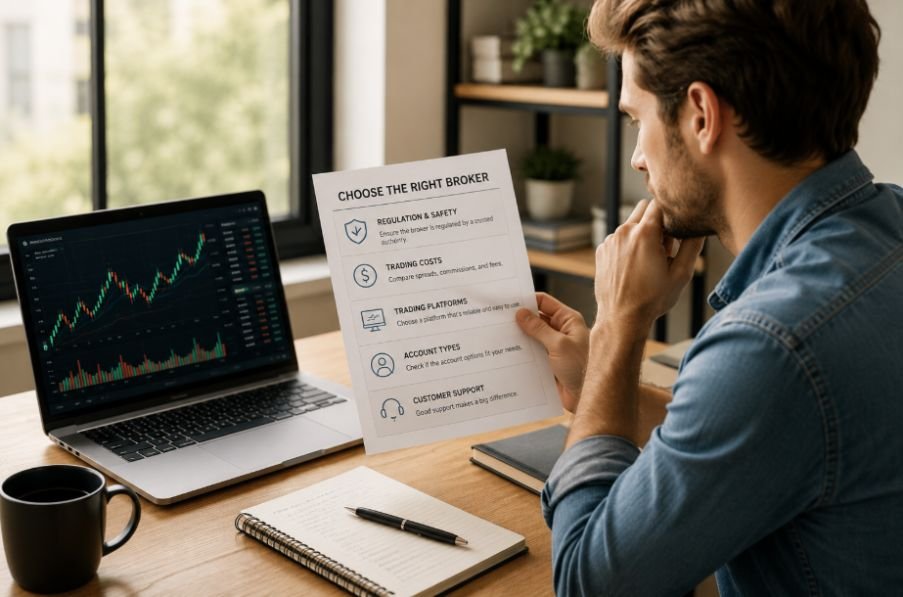
The first time I looked for a trading broker, I thought the decision would be simple. Every website claimed to offer the lowest fees, the fastest platform, and the best trading experience. After opening a few comparison pages, I realized they all sounded almost the same. That was the moment I understood choosing a broker wasn’t about finding the most popular name. It was about understanding what actually affects your money and your trading experience.
Over time, I stopped paying attention to flashy promotions and started looking at the details that experienced traders care about. Regulation, trading costs, platform reliability, and customer support made far more difference than bonus offers ever could. If you’re opening your first trading account, learning how to evaluate these factors can save you from expensive mistakes later.
Why Your Broker Matters More Than You Think

Many beginners believe their profits depend only on market knowledge. While strategy is important, the broker you choose influences every trade you place. It affects how quickly orders are executed, how much you pay in fees, how safely your money is stored, and even how easy it is to manage your account.
A good broker creates a smoother trading experience. A poor one can introduce delays, unexpected charges, and unnecessary frustration. That’s why taking time to compare brokers before opening an account is one of the smartest decisions a new trader can make.
Start With Regulation Before Looking at Features
The first thing I check isn’t the trading platform or the list of available markets. It’s regulation.
A regulated broker operates under rules designed to protect clients and maintain fair trading practices. Financial regulators such as the Financial Conduct Authority (FCA) and the Australian Securities and Investments Commission (ASIC) require licensed brokers to meet strict standards.
Another feature worth checking is whether client funds are held in segregated accounts. This means your money is kept separate from the broker’s operating funds, adding another layer of protection if the company experiences financial problems.
Regulation doesn’t automatically make a broker perfect, but it gives you a much stronger starting point than choosing an unlicensed company.
Understand the Real Cost of Trading
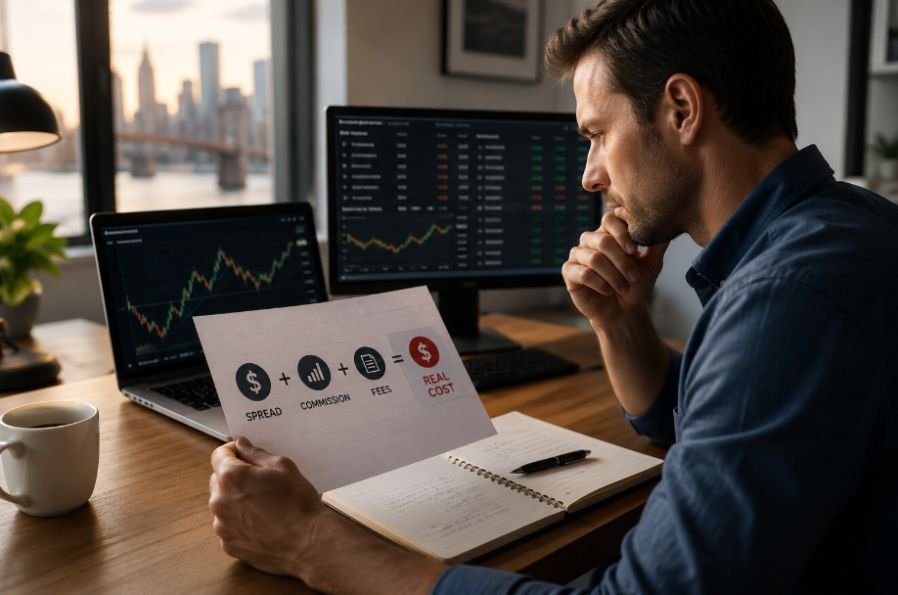
Many new traders compare only spreads, but that’s only one part of the total cost.
Some brokers charge commissions, while others build their fees into wider spreads. You may also encounter withdrawal fees, inactivity charges, currency conversion fees, or overnight financing costs if you keep positions open for several days. These costs may seem small individually, but they add up over hundreds of trades.
Instead of asking which broker advertises the lowest spread, ask what your total trading costs will look like over time.
The Platform Should Help You Trade, Not Slow You Down
A trading platform should feel comfortable from the first session.
Charts should load quickly, placing orders should be straightforward, and important information should be easy to find. Whether the broker offers MetaTrader, TradingView integration, or its own platform, the experience should remain reliable during both quiet markets and periods of high volatility.
A demo account is one of the best tools available to beginners. It allows you to test every feature without risking real money while becoming familiar with different order types, charting tools, and market analysis features.
If you’re still learning how to choose a forex broker, spending time on a demo account often reveals far more than reading dozens of online reviews.
Fast Execution Can Make a Bigger Difference Than You Expect

Execution quality rarely appears in advertisements, yet it has a direct impact on trading results.
When markets move quickly, delays between clicking Buy or Sell and having your order filled can change the final price. This difference is known as slippage.
Reliable brokers invest in strong infrastructure and access to deep liquidity, helping orders execute efficiently during changing market conditions.
While small delays may not matter to long-term investors, they can significantly affect active traders.
Customer Support Matters Most When Something Goes Wrong
Most people never think about customer support until they actually need it.
Imagine experiencing a deposit issue, an account verification problem, or a platform outage during an important market event. Waiting several days for a response isn’t something any trader wants.
Before opening an account, test the broker’s support channels. Live chat, phone support, and helpful educational resources often reveal how seriously a company treats its clients.
Good support won’t improve your trading strategy, but it can reduce unnecessary stress when unexpected situations arise.
Choose a Broker That Matches Your Trading Style
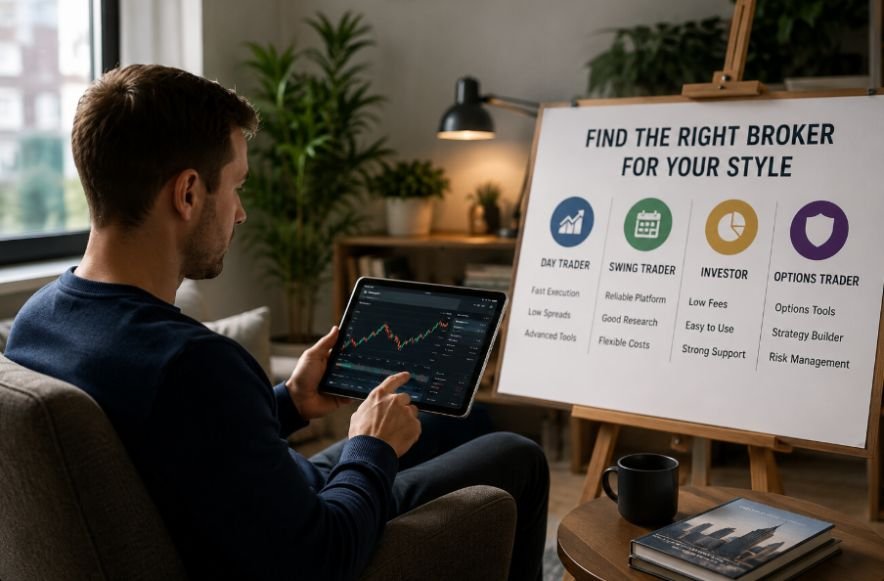
There isn’t one broker that’s perfect for everyone.
Your preferred trading schedule should also influence your decision. Understanding what time does the forex market open and close can help you identify the sessions you are most likely to trade and assess whether a broker provides reliable execution, responsive support, and stable platform access during those hours.
Someone trading occasionally may care more about simplicity than advanced charting tools. An active trader may prioritize execution speed, competitive spreads, and professional trading software. Long-term investors may value research tools and access to multiple asset classes.
Matching the broker to your own goals usually leads to a better experience than choosing whichever company ranks highest on a comparison website.
The right broker should fit the way you trade, not force you to change your trading habits.
Common Mistakes Beginners Often Make
Many first-time traders make similar mistakes because they focus on marketing instead of fundamentals.
- Choosing a broker because of welcome bonuses instead of regulation.
- Ignoring hidden fees until after opening an account.
- Depositing large amounts before testing the platform.
- Skipping the demo account.
- Trusting online advertisements without verifying licenses.
Avoiding these mistakes won’t guarantee trading success, but it creates a much stronger foundation.
Frequently Asked Questions
1. What is the most important factor when choosing a broker?
Regulation should come first because it helps protect your funds and ensures the broker follows established financial standards before you compare costs or features.
2. Should beginners always start with a demo account?
Yes. A demo account helps you understand the platform, test strategies, and gain confidence without risking real money during the learning process.
3. Are low trading fees always better?
Not necessarily. A broker with slightly higher fees may provide better execution, stronger support, and a more reliable platform, offering greater value overall.
4. Can I change brokers later?
Yes. Many traders move to a different broker as their experience grows, but choosing carefully from the beginning can save both time and unnecessary costs.
Good Decisions Begin Before Your First Trade
Looking back, I realize the broker I chose influenced my trading experience long before my first profitable trade. A reliable platform, transparent pricing, and strong regulation gave me confidence to focus on learning instead of worrying about unexpected problems. Those qualities still matter far more than promotional offers or flashy advertising.
Trading always carries risk, but choosing the right broker is one decision that’s completely within your control.