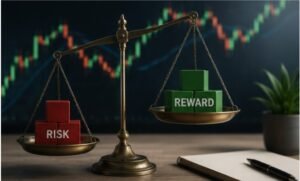
Slow forex markets can test even the most patient traders. During mid-session lulls, US bank holidays, or late Friday afternoons, currency pairs may barely move, leaving traders tempted to enter unnecessary positions. I believe the biggest mistake during these periods is confusing constant activity with genuine productivity.
Learning how to stay productive when forex markets are slow means shifting attention from finding trades to improving trading performance. Instead of chasing small price movements, I focus on technical analysis, reviewing past decisions, strengthening risk management, and maintaining psychological discipline.
Here are seven practical strategies I use to make quiet trading sessions worthwhile.
Why Do Forex Markets Slow Down During Certain Trading Sessions?
Forex volatility changes throughout the trading day as major financial centers open and close.
Understanding how forex market trading sessions work helps traders recognize why currency activity and volatility vary throughout the trading day.
Currency pairs often experience greater activity during the London–New York session overlap, while quieter periods may occur between sessions.
US market holidays, reduced institutional participation, and uncertainty before major economic announcements can also contribute to limited price movement.
Understanding how the interbank forex market operates helps traders learn how banks and other institutional participants contribute to currency market activity and liquidity.
I monitor Average True Range (ATR), support and resistance levels, and trading ranges to evaluate current market conditions. However, low volatility does not necessarily mean low liquidity. Reduced liquidity can increase spreads and execution risks even when prices appear relatively stable.
When conditions do not match my trading strategy, I avoid forcing positions.
What Are the Best Ways to Stay Productive When Forex Trading Is Slow?
1. How Can Reviewing Trading Statistics Improve Performance?
I use quiet sessions to conduct technical and statistical audits of previous trades.
My forex trading journal records entry reasons, exit decisions, emotional reactions, and market conditions. I also review missed trading opportunities to identify valid setups that I overlooked or executed too late.
Beyond individual trades, I calculate my win/loss ratio, average risk-to-reward ratio, maximum drawdown, and drawdown duration.
These measurements help me understand whether performance problems come from strategy weaknesses or inconsistent execution.
For example, repeated losses during sideways markets may indicate that my strategy performs better during established trends.
2. How Can Backtesting and Market Replay Strengthen Trading Strategies?

Forex backtesting strategies allow me to evaluate trading ideas using historical market data without exposing real capital.
I test moving averages, momentum indicators, and support and resistance setups across different market conditions. I also compare alternative indicator settings while avoiding excessive optimization based on past results.
Market replay tools provide another learning opportunity.
Sometimes, I practice with historical charts at 5× playback speed to recognize setups more efficiently. When evaluating complex entries, I slow the replay to normal speed.
I document simulated results while accounting for spreads, slippage, and other execution costs. Historical performance cannot guarantee future profitability.
3. How Do I Build a Better Trading Playbook and Pre-Market Checklist?
A well-organized trading playbook makes decision-making more consistent.
I collect screenshots of high-quality historical setups and categorize them by currency pair, technical pattern, market environment, and entry confirmation.
Each example includes the entry rationale, stop-loss placement, and reasons the setup met my trading rules.
I also refine my pre-market checklist to include economic announcements, volatility conditions, and major technical levels.
Updating my trading journal and organizing these reference materials creates a repeatable forex trading routine rather than relying on impulsive decisions.
4. What Economic Indicators Should Forex Traders Study During Quiet Markets?
Slow sessions provide time to strengthen macroeconomic understanding.
I review Federal Reserve announcements, Consumer Price Index reports, employment data, and Gross Domestic Product releases.
I also examine monetary policy statements and meeting minutes from the European Central Bank and Bank of England.
To understand broader currency relationships, I study US Treasury yields, gold, oil, equity markets, and major currency correlations.
These relationships can change, so I never treat them as guaranteed trading signals.
I also listen to reputable macroeconomic podcasts and financial analysis programs to understand developments beyond technical charts.
For US economic research, the Federal Reserve, Bureau of Labor Statistics, and Bureau of Economic Analysis provide useful official calendars.
5. How Can I Reduce Trading Costs and Improve Risk Management?
Quiet markets are useful for reviewing execution quality.
I examine broker records to identify variable spreads, commissions, slippage, and overnight financing costs that may reduce profitability.
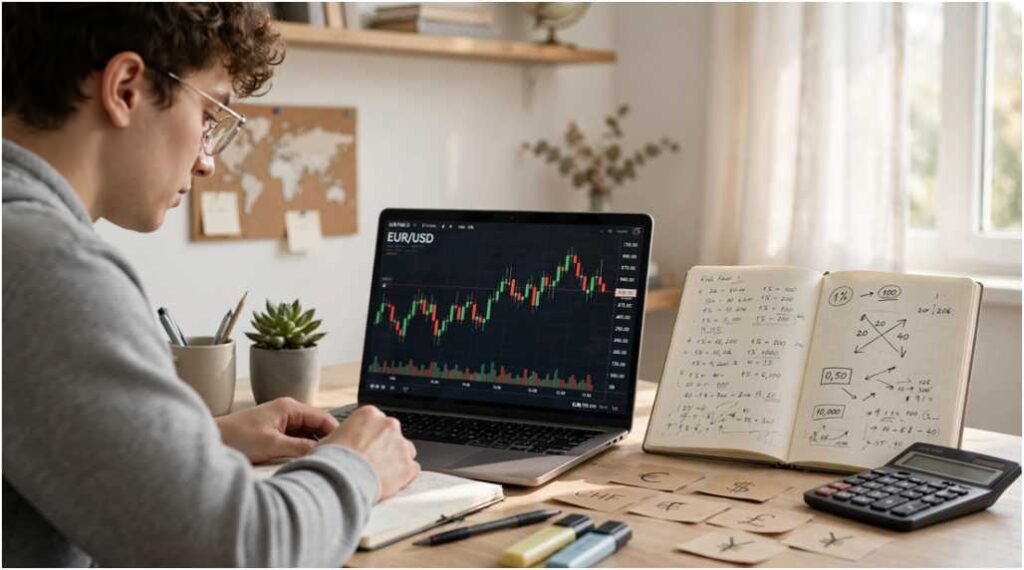
I also revisit my position sizing calculations.
For example, on a hypothetical $5,000 trading account, risking 1% means planning a maximum loss of $50 per trade, although slippage can cause actual losses to exceed that amount.
I adjust position sizes according to stop-loss distances and volatility rather than increasing leverage to compensate for slow markets.
The Commodity Futures Trading Commission emphasizes the substantial risks associated with leveraged retail forex trading.
6. How Can I Optimize My Trading Platform and Workspace?
I use inactive trading periods to improve my computer and trading environment.
I update trading software, remove unnecessary chart templates, clear temporary files when appropriate, and check available storage.
I also back up my trading logs and review platform performance. I avoid unnecessary registry modifications that could create system problems.
Price alerts help reduce constant chart monitoring. When a currency pair approaches an important technical level, I receive a notification and reassess the setup.
This allows me to focus on research without continuously watching stagnant prices.
7. How Can Traders Avoid Overtrading and Maintain Mental Focus?
Overtrading out of boredom can undermine an otherwise disciplined strategy.
When markets become inactive, I establish clear conditions for avoiding trades.
Understanding forex market operating hours helps traders recognize quieter periods, plan their trading schedules, and avoid monitoring the market unnecessarily.
If volatility is unsuitable or technical confirmation is missing, I step away.
Taking breaks, exercising, and closing trading screens can reduce mental fatigue and unnecessary decision-making.
Trading psychology for beginners should emphasize patience, emotional awareness, and the ability to accept no-trade days.
I remind myself that protecting capital is often more important than staying constantly active.
What Is the Best 30-Minute Productivity Routine for Slow Forex Days?
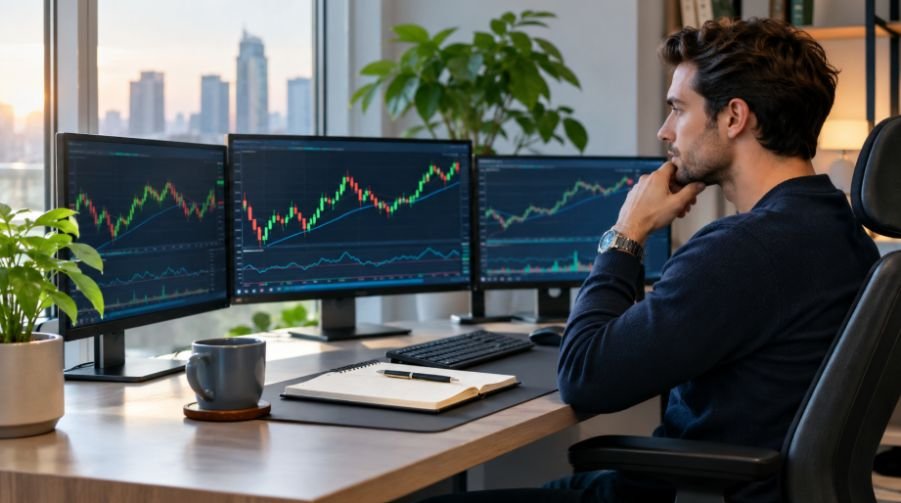
When trading opportunities disappear, I follow a simple routine.
I spend five minutes reviewing market volatility and upcoming economic announcements.
The next ten minutes focus on updating my trading journal and analyzing performance statistics.
I use another ten minutes for backtesting, simulated trading, or reviewing my trading playbook.
During the final five minutes, I update risk management rules, organize chart levels, and configure price alerts.
This approach helps me maintain productive trading habits without forcing positions.
Frequently Asked Questions
1.What Should I Do When the Forex Market Is Not Moving?
I recommend analyzing previous trades, updating trading statistics, reviewing economic calendars, and practicing strategies with historical data instead of entering unnecessary positions.
2. Is It Better to Avoid Trading During Low Volatility?
Not always. Certain range-trading strategies can operate in quieter markets. However, I avoid trading when transaction costs, volatility, or technical conditions do not match my established rules.
3. How Can Beginners Improve Their Forex Trading Skills During Quiet Sessions?
Beginners can practice technical analysis, learn position sizing, maintain trading journals, and use demo accounts to develop decision-making skills without risking real money.
4. How to Stay Productive When Forex Markets Are Slow Without Opening Trades?
I focus on statistical reviews, forex backtesting, market replay, macroeconomic research, trading playbooks, and platform maintenance. These activities improve preparation without requiring live positions.
Final Thoughts
I believe successful trading requires patience, preparation, and continuous improvement rather than constant market participation.
Understanding how to stay productive when forex markets are slow helps me transform inactive sessions into opportunities for research, practice, and disciplined decision-making.
By reviewing trading performance, improving risk management, studying economic developments, and managing psychological stress, I can use quiet periods constructively.
Ultimately, the most productive trading decision is sometimes choosing not to trade at all.