How to Stay Disciplined When Day Trading Stocks Without Letting Emotions Take Control

Most traders do not fail because they cannot read a chart. They fail because fear, greed, and frustration push them away from their rules. When I think about how to stay disciplined when day trading stocks, I focus less on willpower and more on building a mechanical system that makes impulsive decisions harder.
Why Do Day Traders Lose Discipline?
Stocks can surge after the 9:30 a.m. Eastern Time opening bell, reverse within minutes, or move sharply after earnings news. That speed can trigger fear of missing out, revenge trading, and overtrading.
I may chase a breakout, take a weak setup after a loss, or increase my position size after several winners. These reactions replace trading rules with emotion. A profit does not always prove good execution, and a loss does not always prove poor execution. I judge my performance by whether I followed my trading plan.
How Can I Build a Hard-Coded Trading Plan?
An unwritten rule is easy to break. Before the market opens, I define the exact conditions that allow me to trade.
The rules may vary depending on the instrument I trade. For example, applying proven tips for trading ETFs successfully requires me to evaluate liquidity, bid-ask spreads, underlying holdings, order type, and holding period before entering a position. These checks help prevent poor execution from turning a valid trading idea into an avoidable loss.
What Should My Entry and Exit Rules Include?
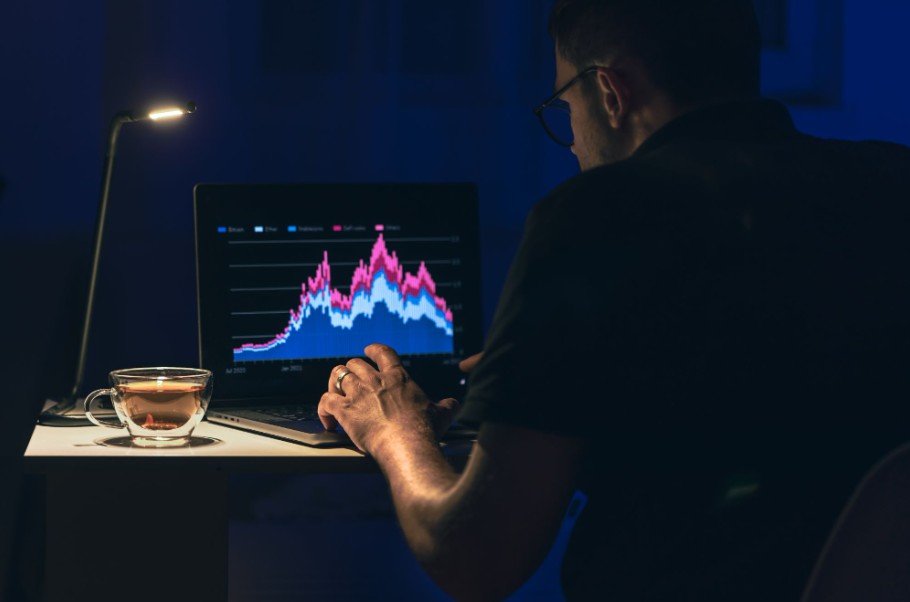
I identify the price action pattern, technical indicator, volume condition, or support and resistance level required for entry. I also set my profit target and stop-loss level before clicking “buy.”
My plan states what invalidates the setup. When the price reaches that level, I exit instead of hoping for a reversal.
How Much Should I Risk per Trade?
Many traders use 0.5% to 1% of account value as a starting risk range, although the right limit depends on experience, strategy, and market volatility. I calculate position size from the distance between my entry price and stop-loss.
I also look for a realistic risk-reward ratio. A 1:2 ratio means that risking $100 should offer a reasonable opportunity to make $200. I never force a trade when the chart does not support that target.
I also consider how each position affects my total account exposure. Understanding how to manage your trading portfolio helps me separate day-trading capital from long-term funds, control combined risk, and avoid opening several correlated positions that could move against me simultaneously.
Which Automated Risk Controls Improve Trading Discipline?
Technology can enforce decisions that emotion may override.
I use bracket orders when my broker supports them so the entry, stop-loss, and take-profit orders work together. Automated trailing stops can also protect gains, although normal stock volatility may trigger them too early. I test these tools through paper trading before relying on them with real capital.
A platform-based daily loss limit creates another essential guardrail. Once I reach the amount I agreed to lose, I stop trading, close the platform, and walk away. I never raise the limit, deposit more money, or take one final trade to recover the loss.
What Premarket Routine Prevents Impulsive Trades?

My discipline begins before the opening bell. I review the US economic calendar for Federal Reserve events, inflation reports, employment data, earnings announcements, and company-specific news.
Next, I build a short stock watchlist and map support, resistance, premarket high, and premarket low levels. For each ticker, I write down the setup, entry area, stop-loss, and profit target.
I assess my mental condition as well. Poor sleep, stress, anger, or an urgent need to make money can weaken my trading psychology. Sometimes the most disciplined choice is not to trade.
How Do I Stop Overtrading and Revenge Trading?
I set a maximum number of trades per day. Three to five trades may work as a practical example, but the limit should reflect the frequency of my strongest setups.
After a meaningful loss or two consecutive losing trades, I take a mandatory break. I never increase my position size to win back money. Revenge trading usually combines emotional urgency with lower-quality setups and excessive risk.
I trade the market in front of me. I make decisions based on current price action, trading volume, and written criteria rather than what I hope a stock will do.
How Should I Keep a Quantitative Trading Journal?
I treat my trading journal as a data collection system. I record the ticker, entry price, exit price, share size, dollar risk, technical reason, stop-loss, target, and result for every position.
I also note whether I felt calm, anxious, greedy, rushed, or frustrated during execution. Chart screenshots show what the setup looked like at entry and exit.
During my weekly trading review, I calculate my win rate, average winning trade, average losing trade, risk-reward performance, and the total cost of rule violations.
I also use a daily discipline score. I grade whether I followed my watchlist, used the correct position size, honored my stop, avoided unplanned trades, and stopped at my daily loss limit. This prevents one lucky profit from hiding poor execution.
Can Paper Trading Build Better Habits?

Paper trading helps me rehearse a day-trading strategy without risking real capital. I use the same position-sizing method, bracket orders, trade limit, checklist, and trading journal that I would use in a live brokerage account.
Random simulated trades do not build discipline. I look for consistent rule-following over several weeks before increasing my real-money exposure.
Daily Trading Discipline Checklist
Before taking any position, I confirm:
[ ] The setup meets all my core strategy rules.
[ ] My stop-loss sits at a logical technical level.
[ ] I am risking no more than my predetermined account limit.
[ ] The potential reward justifies the risk.
[ ] I feel calm and have no urge to chase the stock or recover a loss.
If I cannot answer yes to every item, I skip the trade.
Frequently Asked Questions
1. How do beginners develop day-trading discipline?
Beginners should trade one or two clearly defined setups, use small position sizes, establish a daily loss limit, maintain a trading journal, and practice in a simulator before increasing risk.
2. How can I stop moving my stop-loss?
I place the stop where the original trade setup becomes invalid and submit it with my entry through a bracket order. Moving it farther away only increases the loss I initially agreed to accept.
3. What is the best way to prevent revenge trading?
I stop trading after reaching my loss threshold, step away from the platform, and review the trade only after the emotional reaction has settled.
4. How long does it take to become a disciplined trader?
There is no fixed timeline. Consistency develops through repeated planning, controlled execution, risk management, journaling, and honest weekly reviews.
Final Thoughts
Learning how to stay disciplined when day trading stocks means replacing emotional decisions with written rules and automated guardrails. I cannot control whether the next stock rises or falls, but I can control my entry, position size, stop-loss, daily loss limit, and response to a losing trade.
My best defense against FOMO, overtrading, and revenge trading is a repeatable system. When I measure my process instead of chasing daily profit, discipline becomes a practical trading skill rather than a personality trait.
This article is for educational purposes only and does not provide personalized investment advice. Day trading involves substantial risk, including the possible loss of capital.