Choosing the Right Broker for Swing Trading Without Getting Distracted by the Hype

I still remember opening comparison pages for brokers and thinking the decision would be easy. Every platform claimed to have the fastest execution, the lowest fees, and the best tools. After spending hours reading reviews, I realized most of the marketing sounded almost identical. The more I looked, the harder it became to separate useful features from clever advertising.
That experience changed the way I compare brokers today. Instead of focusing on welcome bonuses or polished apps, I pay attention to the things that actually affect a swing trade. Since positions can stay open for several days or even weeks, small details like execution quality, overnight costs, and reliable charting matter much more than flashy promotions. That’s why choosing the right broker for swing trading deserves a closer look before funding an account.
Swing Trading Demands a Different Kind of Broker

Swing traders don’t operate like day traders who open and close positions within minutes. They also aren’t long-term investors willing to ignore short-term price swings. Their goal is to capture price movements that develop over several days or weeks.
That changes what matters in a brokerage account. A platform built for frequent intraday trading may offer features you never use, while missing tools that become valuable when you’re managing overnight positions. Looking beyond the marketing helps narrow the search to brokers that genuinely support your trading style.
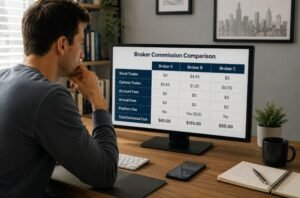
Don’t Let “Zero Commission” Make the Decision for You
Zero-commission trading has become common for stocks and ETFs, but it shouldn’t be the only factor you compare.
If you trade options, contract fees can still add up over time. Margin accounts deserve equal attention because interest rates on borrowed funds vary between brokers. Holding leveraged positions overnight means those costs directly affect your returns.
It’s also worth checking whether the broker charges inactivity fees, transfer fees, or fees for accessing premium market data. These expenses don’t always appear in large promotional banners, but they can influence your overall trading costs.
Instead of asking which broker is cheapest, ask which one offers the best overall value for the way you trade.
A Strong Trading Platform Saves More Than Time
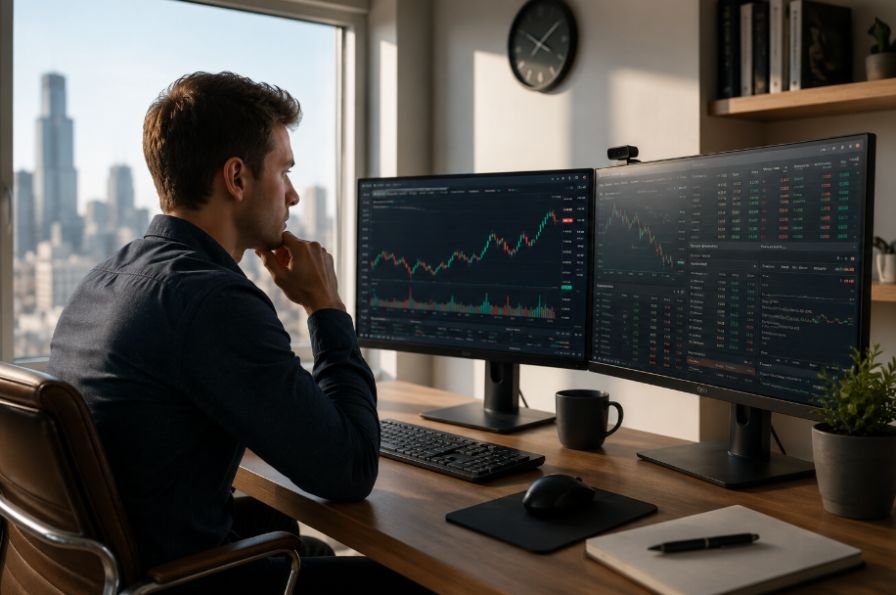
Most swing trading decisions begin with research. That makes the trading platform one of the most important parts of the entire experience.
Look for advanced charting software that includes multiple timeframes, customizable layouts, technical indicators, and drawing tools. These features make it easier to identify trends, support levels, resistance zones, and potential entry points without relying on third-party software.
Stock screeners also deserve attention. Filtering companies by trading volume, moving averages, volatility, or price action helps narrow hundreds of opportunities into a manageable watchlist.
The better the research tools, the less time you’ll spend searching for quality setups.
Order Types Can Protect Both Profits and Capital
Many newer traders only use market orders, but swing trading often benefits from more advanced order management.
Useful order types include:
- Stop-loss and trailing stop orders that automatically help manage risk as prices move.
- Bracket orders and One-Triggers-the-Other (OCO) orders that allow profit targets and protective stops to work together without constant monitoring.
These tools reduce emotional decision-making and help traders stick to a planned strategy instead of reacting to every price movement.
Execution Quality Matters More Than Many People Think

Swing traders don’t place dozens of trades every day, but execution quality still matters.
Poor order routing can increase slippage, causing trades to fill at less favorable prices than expected. While the difference on a single trade may seem small, repeated slippage can slowly reduce overall profitability.
Reliable execution becomes especially important during earnings season or periods of higher market volatility when prices move quickly between bid and ask levels.
Learning about understanding forex market liquidity and volatility can help traders recognize why execution conditions, spreads, and price movements may change during active or uncertain market periods.
Think About Overnight Risk Before Opening an Account
Holding positions overnight creates challenges that day traders rarely face.
Corporate earnings, economic reports, interest rate announcements, and unexpected news can all move markets before the opening bell. Brokers that offer pre-market and after-hours trading provide additional flexibility when managing these situations.
If your strategy includes short selling, check whether the broker maintains a healthy inventory of borrowable shares. Limited availability can make certain trading opportunities impossible regardless of your analysis.
Security and Regulation Should Never Be Overlooked

An impressive mobile app means very little if the broker lacks strong regulatory oversight.
Choose firms regulated by organizations such as the Securities and Exchange Commission (SEC) and the Financial Industry Regulatory Authority (FINRA). Account protection through the Securities Investor Protection Corporation (SIPC) also provides an added level of confidence for eligible brokerage accounts.
Security features like two-factor authentication, encrypted logins, and account alerts are equally important. Protecting your capital starts long before placing your first trade.
If you’re comparing different trading styles before choosing a platform, our best broker features for day traders explain which tools matter most for active intraday strategies and how those priorities differ from swing trading.
The Right Broker Supports Your Strategy, Not Someone Else’s
The best broker isn’t necessarily the one dominating advertisements or appearing at the top of every sponsored comparison.
It should match the way you trade. That means dependable execution, practical research tools, transparent pricing, useful order management, and enough flexibility to handle overnight positions with confidence.
Choosing a broker based on your own strategy usually leads to better decisions than following whichever platform happens to be getting the most attention.
Frequently Asked Questions
1. Is a zero-commission broker always the best choice for swing trading?
Not always. Zero commissions help reduce costs, but margin rates, options fees, execution quality, and platform features can have a bigger impact on long-term results.
2. Do swing traders need advanced charting tools?
Yes. Quality charts, technical indicators, and stock screeners make it easier to identify trends and manage trades over several days or weeks.
3. Why does execution speed matter if I’m not day trading?
Fast, reliable execution reduces slippage, especially during volatile market conditions or major news events that affect prices quickly.
4. Should beginners use margin for swing trading?
Margin can increase buying power, but it also increases risk and interest costs. New traders should understand those risks before using borrowed funds.
Smart Decisions Usually Happen Before the First Trade
Finding a broker doesn’t have to mean chasing the newest platform or the loudest marketing campaign. The strongest choice usually comes from understanding how you trade and selecting a platform that supports those habits every single day. Features that seem small during the sign-up process often become the ones you appreciate most after months of trading.
A broker should make your strategy easier to execute, not give you another problem to solve.