What Is Drawdown in Forex Trading For Protecting Your Equity?
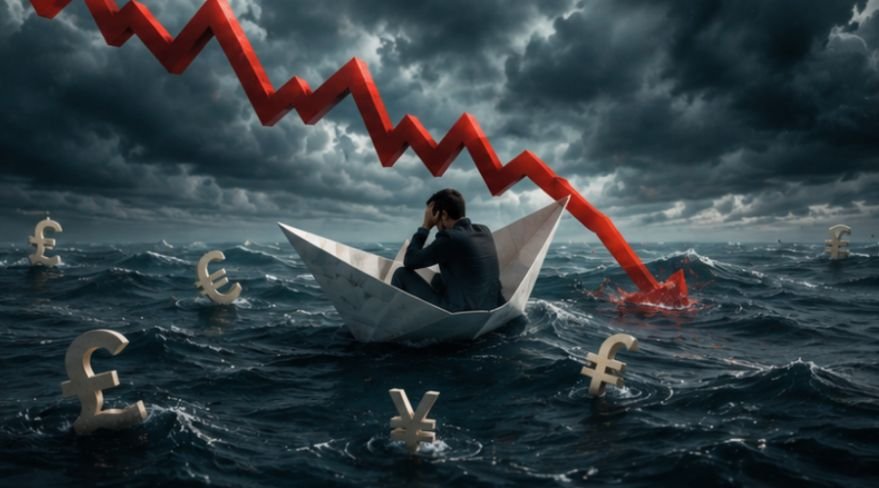
Sitting in front of my trading screens early on, watching an open trade drift deeper into the red gave me a pit in my stomach. Learning what is drawdown in forex trading transformed how I managed capital and kept my emotions steady during inevitable losing streaks.
Drawdown in forex is the reduction of an account’s equity from a high point (peak) to a low point (trough) before it recovers. It is measured in money or as a percentage. For example, if a $10,000 account grows to $12,000 and then drops to $8,000, the drawdown is 33.3%.
Understanding this equity drop is the ultimate key to surviving volatile foreign exchange markets. When you know how to track your capital dips, you convert scary loss streaks into manageable business costs.
Types of Drawdown Every Trader Must Track
Categorizing your equity drops gives you a clear view of your true risk exposure across different market environments.
Floating (Unrealized) Drawdown
Floating drawdown occurs when open trades move into negative territory but have not yet been closed. During this period, the account balance remains unchanged, while the account equity rises or falls with live market prices.
Because the loss is unrealized, the position may still recover if the market reverses. However, floating losses should not be ignored, as they can reduce available margin and increase the risk of a margin call when leverage is high.
Fixed (Realized) Drawdown
Fixed drawdown refers to losses that become permanent after a losing trade is closed. Once the trader exits the position, the loss is deducted from the account balance and cannot be recovered unless future trades generate enough profit.
Tracking realized drawdown helps traders evaluate whether their strategy, stop-loss rules, and position-sizing methods are protecting capital effectively.
Maximum Drawdown
Maximum drawdown measures the largest decline in account value during a specific trading period. It is calculated from the highest equity peak to the lowest point reached before a new peak occurs.
This figure reveals the worst historical loss experienced by a strategy or portfolio. Traders use maximum drawdown to compare systems, establish risk limits, and decide whether potential returns justify the possible capital decline.
Managing Forex Drawdown Keeps Your Wallet Safe
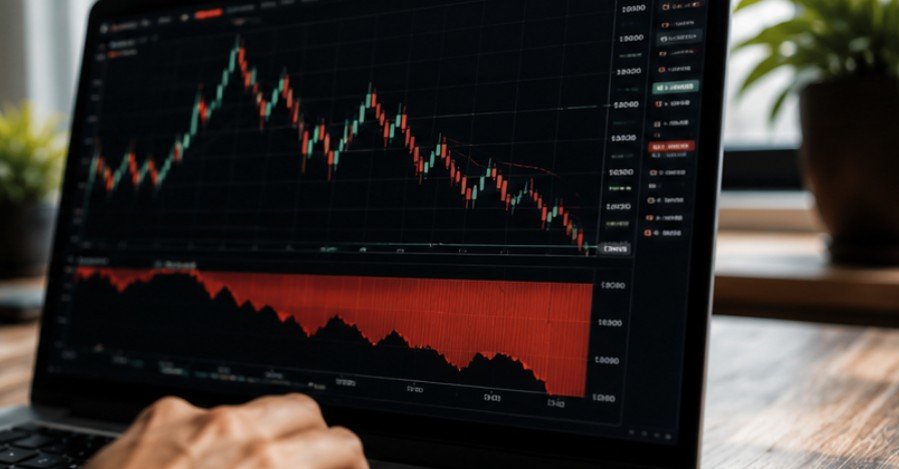
Think of drawdown like a roller coaster ride where your wallet is sitting in the front seat. Without understanding what is drawdown in forex trading, every dip feels like dropping off a cliff without a seatbelt. Knowing the math keeps you smiling through the twists because you know the track eventually leads back up.
Why It Matters for Risk Management?
Tracking capital dips reveals the true safety and sustainability of your daily trading plan. Tracking declines in account equity helps traders understand the real safety, consistency, and long-term sustainability of a trading plan. Profit alone does not reveal whether a strategy is reliable.
A system may produce attractive returns while exposing the account to losses that are emotionally or financially difficult to manage. Measuring drawdown provides a clearer picture of how much capital may be lost before performance improves again.
Revealing the True Risk of a Strategy
Drawdown shows how a trading strategy performs under real market conditions, including losing streaks, volatility, and unexpected price movements. A system that generates moderate returns with small and controlled equity declines is generally more sustainable than one producing high profits while experiencing severe capital drops.
Understanding what moves currency prices in forex trading helps traders identify why drawdowns may suddenly deepen. Interest-rate expectations, inflation reports, employment data, geopolitical events, and shifts in market sentiment can trigger rapid price movements.
Recognizing these drivers allows traders to reduce position sizes, avoid excessive leverage, and prepare for periods of increased volatility.
Comparing returns with drawdown helps traders determine whether the potential reward justifies the level of risk involved.
Understanding the Painful Recovery Math
Large losses become increasingly difficult to recover because the required percentage gain rises faster than the original decline. For example, a 10% account loss requires an approximately 11.1% gain to return to the starting balance. A 25% loss needs a 33.3% recovery, while a 50% drawdown requires a 100% gain. This recovery math explains why protecting capital should remain a higher priority than chasing aggressive returns.
Setting Smarter Trading Parameters
Reviewing historical drawdowns allows traders to establish realistic risk limits before entering positions. Understanding the average and maximum decline of a strategy can guide stop-loss placement, position sizing, leverage, and daily loss limits.
Learning how to avoid overleveraging in trading is especially important because oversized positions can turn an ordinary losing streak into a severe account decline.
Keeping leverage moderate, calculating lot size from a fixed risk percentage, and maintaining sufficient free margin help prevent small market movements from creating disproportionate equity losses.
It also helps traders prepare emotionally for normal losing periods. When risk parameters reflect actual strategy performance, traders are less likely to over-leverage, abandon their plan, or make impulsive decisions during temporary declines.
Drawdown in Forex Trading Application in Real Life
Adapting risk management strategies for trading capital requires turning basic concepts into daily trading habits.
- First, set a hard risk cap per trade between one half and two percent of your balance.
- Next, attach strict stop-loss orders to every single position before you click enter.
- Reduce your position sizes immediately whenever market volatility spikes or a losing streak begins.
- Take a mandatory cooling-off break if your total account drops by ten percent in a single week.
- Finally, review your trading journal to refine your strategy and remove emotional mistakes.
Frequently Asked Questions
1. What is a good drawdown in forex?
A good drawdown stays below ten to fifteen percent of your overall trading account balance. Keeping your losses within this manageable range ensures you can recover capital quickly without taking wild financial risks.
2. How does drawdown work in forex?
Drawdown tracks the percentage decline in your account balance from its highest profit peak down to its lowest valley. It measures the real-time financial stress your overall strategy undergoes during a series of bad trades.
3. Is 20% drawdown bad?
A twenty percent drawdown is manageable, but it marks the absolute upper threshold of healthy strategy risk. You will need a twenty-five percent gain just to break even, requiring strict position sizing discipline.
4. How to avoid drawdown in trading?
You cannot avoid drawdown entirely because losing trades are a guaranteed part of global financial markets. You can minimize its severity by using strict stop-losses, risking small amounts, and cutting lot sizes.
Laughing Off Capital Drops with Smarter Trading Choices
Mastering what is drawdown in forex trading gives you total control over your portfolio’s survival. Capital drops are not personal failures; they are simply normal operational expenses in currency markets. By respecting the math of account recovery and using disciplined position limits, you can easily protect your money through any rough market patch.